
Thumb osteoarthritis, also known as rhizarthrosis, can cause functional discomfort and sometimes significant daily pain.
Faced with the limitations of medication, or a desire to explore gentler approaches, some people turn to alternative solutions such as magnet therapy.
But what can we realistically expect from it? Is it a credible option, or simply an unfounded belief? This page explores the topic in an objective and balanced way.
Magnet therapy is often mentioned among complementary and alternative approaches for thumb osteoarthritis, alongside essential oils, dietary supplements or osteopathy.
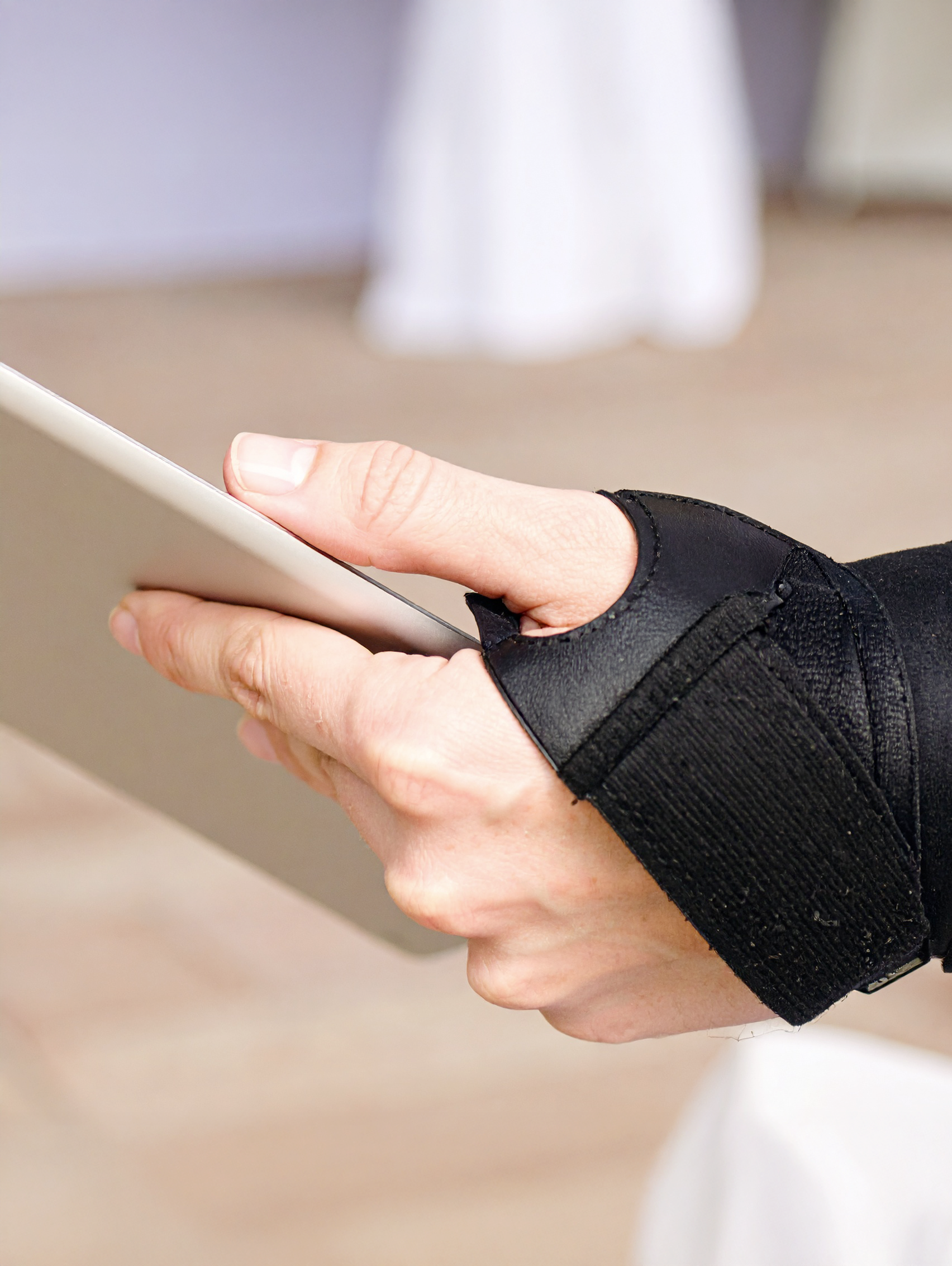
What is magnet therapy?
Magnet therapy is based on the idea that magnetic fields, applied locally, may have beneficial effects on biological tissues.
It usually involves:
The intended aim is to stimulate blood circulation, reduce inflammation and relieve pain.
These effects are sometimes compared to those of certain physiotherapy or electrotherapy techniques, which are more strictly regulated and medically supervised.
What does scientific research say?
To date, evidence supporting the effectiveness of magnet therapy in treating thumb osteoarthritis remains limited and controversial.
Some small-scale studies suggest a potential benefit for chronic pain or musculoskeletal conditions, but their methodologies are frequently criticised due to:
Specifically for thumb osteoarthritis, data are almost non-existent, and no official medical guidelines currently recommend magnet therapy as part of standard care.

Perceived benefits… but not scientifically proven
Some people with thumb osteoarthritis report temporary relief after using magnetic devices.
This may be explained by several factors:
However, it is important to note that perceived improvement should never replace a proper medical assessment, especially if pain becomes persistent or disabling.
An approach to consider with caution
If you are considering trying magnet therapy, the following points may be helpful:
Magnet therapy generally poses no major risk in most cases, but it should not replace appropriate medical management of thumb osteoarthritis.
Exploring other complementary options
If you are looking for natural or alternative ways to better manage thumb osteoarthritis, other approaches may be worth considering.
These include:
Finally, if pain persists or functional limitation becomes significant, seeking specialist advice may be appropriate.
This website offers a directory of hand surgeons to help you find a qualified professional near you.

