
Thumb osteoarthritis, also known as rhizarthrosis, can affect many everyday actions, from opening a jar to holding a pen.
When pain and loss of mobility set in, medical treatments are not the only options to consider.
Some complementary approaches, such as osteopathy, may help relieve symptoms and improve overall comfort.
This perspective is part of the broader range of alternative approaches to thumb osteoarthritis, which also include dermotherapy, dietary supplements and essential oils.
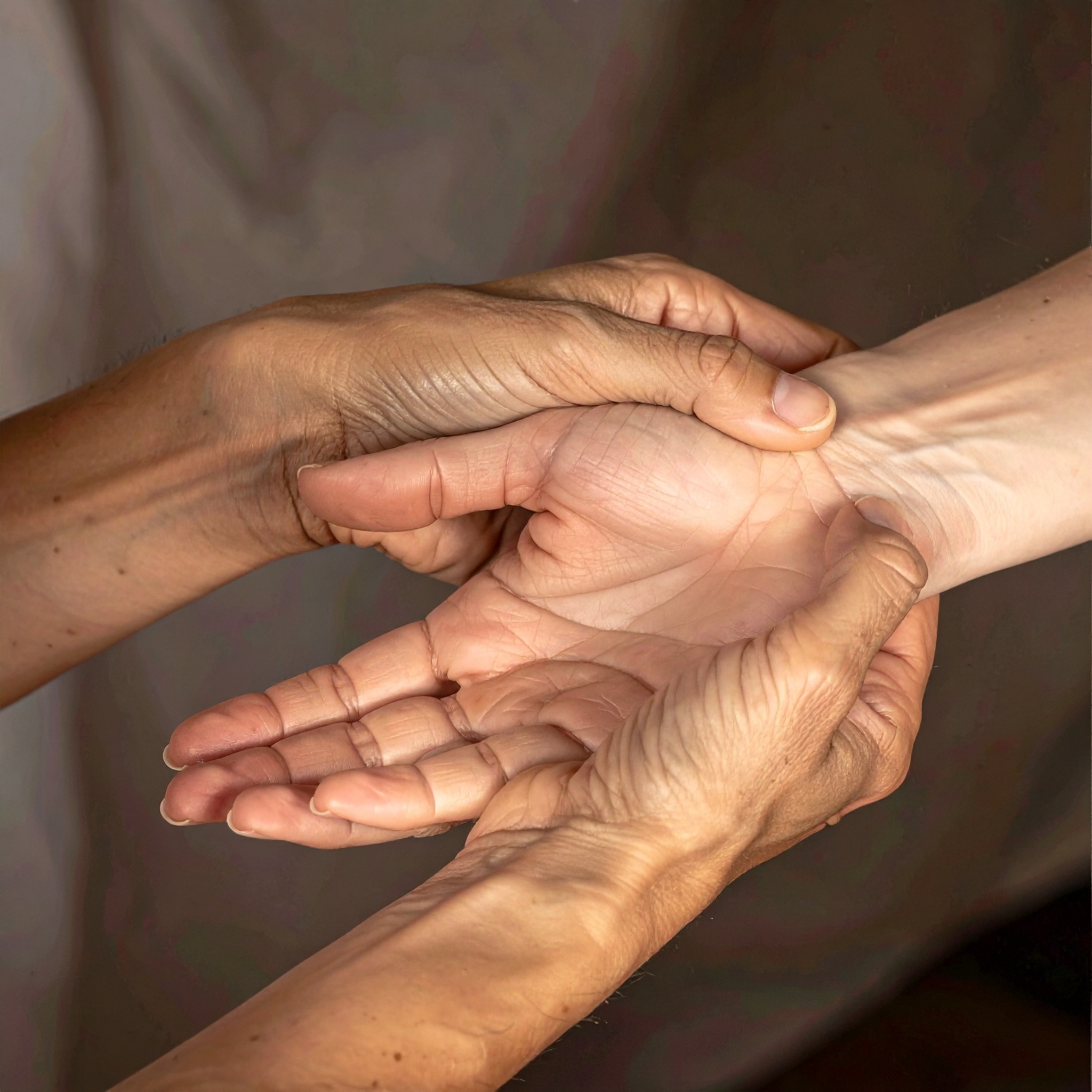
What role can osteopathy play in managing thumb osteoarthritis?
Osteopathy is based on a holistic, hands-on approach to the body.
An osteopath aims to identify and release mechanical or tissue tensions that may disrupt the balance of the musculoskeletal system. In the case of thumb osteoarthritis, the focus is not limited to the thumb joint itself. Other areas of the body may be involved or compensating, such as the shoulder, wrist or cervical spine.
Although osteopathy does not treat or reverse osteoarthritis, it may help to:
What does an osteopathy session look like for someone with thumb osteoarthritis?
A session usually begins with a detailed discussion covering:
The location of pain, medical history, aggravating movements and level of physical activity. The osteopath then carries out a global assessment, testing the mobility of the affected joints as well as more distant areas, in order to identify possible compensations.
Manual treatment may include:
These techniques aim to restore flexibility and reduce unnecessary mechanical stress on the thumb.
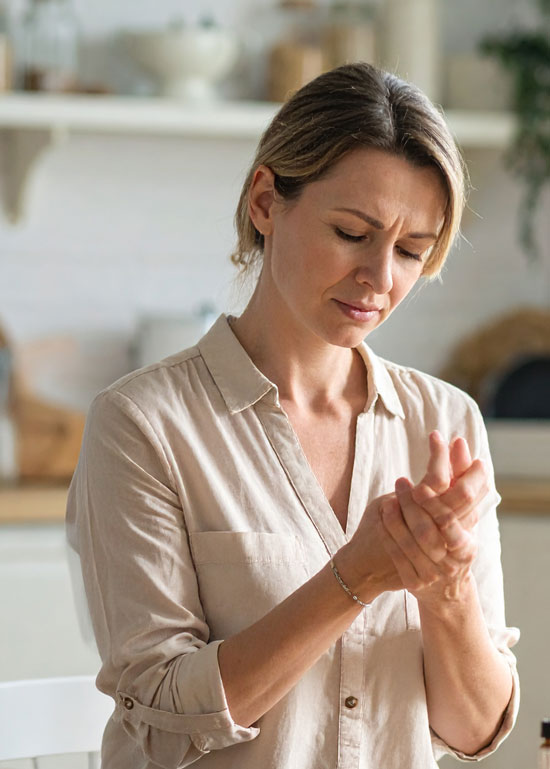
When should osteopathic care be considered?
Osteopathy may be considered:
It should never replace an accurate medical diagnosis or treatments recommended by a healthcare professional.
If pain persists, consulting a specialist – particularly a hand surgeon – remains essential in order to review the available options.
Limitations to be aware of
Osteopathy is not suitable for all stages of thumb osteoarthritis.
During acute inflammatory phases or in cases of very severe pain, certain manual techniques should be avoided. Good coordination between the GP, osteopath and, where appropriate, a physiotherapist is essential.
As with other natural approaches to managing osteoarthritis, results can vary from one person to another. Realistic expectations are important: the goal is symptom relief and adaptation, not a cure.
A complementary approach, not a stand-alone solution
Osteopathy can form part of a comprehensive management plan for thumb osteoarthritis, alongside:
Curious about other natural approaches? Explore our dedicated page on natural treatments for osteoarthritis, as well as our content on essential oils and dermotherapy.
Looking to deepen your understanding? Browse our section on thumb osteoarthritis and its treatments, or find a qualified professional through our hand surgeon directory.

