
Living with thumb osteoarthritis often means dealing with inflammation at the base of the thumb, which can become a major source of daily discomfort.
Alongside conventional treatments, certain non-drug approaches can help to ease these symptoms.
Among them, dermotherapy (topical skin treatments) and cryotherapy (cold therapy) are attracting growing interest. These simple and accessible methods offer practical ways to manage inflammatory flare-ups and regain a degree of functional comfort.
This type of care forms part of the wider range of complementary and alternative options for thumb osteoarthritis, alongside natural treatments, essential oils and dietary supplements.
Targeted topical care: the role of dermotherapy
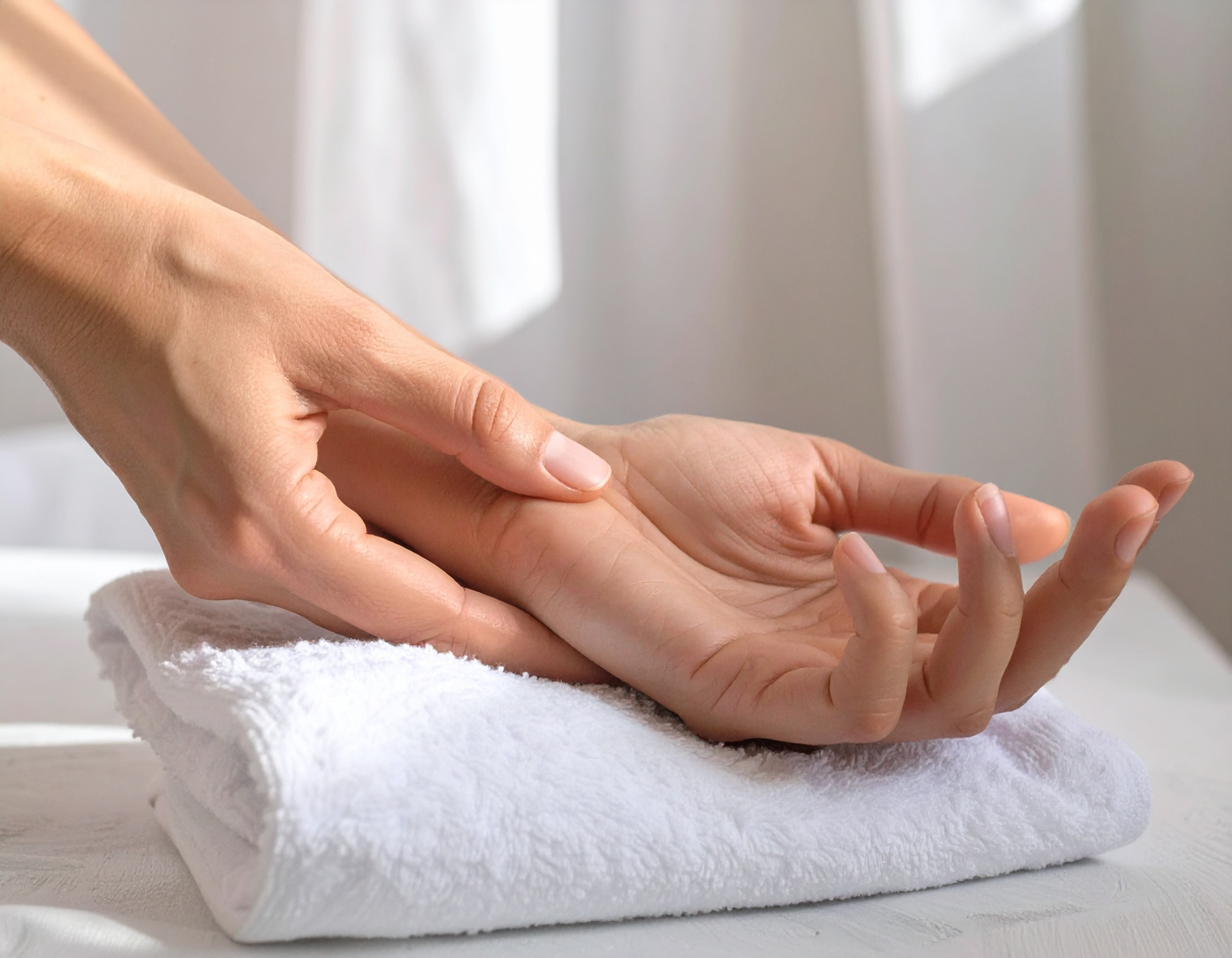
Dermotherapy refers to all therapeutic treatments applied directly to the skin.
In the context of thumb osteoarthritis, its main aim is to relieve pain and reduce local inflammation.
What forms can dermotherapy take?
Dermotherapy may include:
Some products combine several effects (cooling, plant extracts, essential oils) and may be used alternately depending on the time of day or the intensity of symptoms.
Particularly useful during flare-ups
Topical treatments are especially helpful during inflammatory flare-ups, which may involve sharp pain, localised swelling or a sensation of heat. They allow local symptom relief without the systematic use of oral medication.
They can also complement other natural strategies, such as gentle exercises to relieve thumb osteoarthritis, by providing temporary relief that makes movement easier.
Relief through cold: when to use cryotherapy?
Cryotherapy, or cold therapy, involves applying low temperatures to reduce inflammation, slow pain signal transmission and improve joint comfort.
Well-established benefits
The effects of cold are well recognised for their ability to:
This makes cryotherapy particularly relevant during acute flare-ups or after prolonged use of the hand.
How to apply cold safely
Cold application should be controlled to avoid cold burns. A few key recommendations include:
Integrating these approaches into a global management plan
Neither dermotherapy nor cryotherapy can cure thumb osteoarthritis.
However, they provide practical, non-drug options to relieve everyday pain, limit inflammatory episodes and improve tolerance of daily activities.
They can be combined with:
If symptoms persist or these approaches do not provide sufficient relief, medical advice is essential.
Consulting a hand specialist allows other options to be considered, including medication or, where appropriate, surgical management.
Further information:
If functional discomfort becomes significant, solutions exist to help you:
To better understand your situation, you may also wish to explore:

