

A complement to medical and surgical treatments
Some people with rhizarthrosis opt to try out complementary methods alongside proven medical treatments (brace/splint, medication, surgery, etc.). Whether these complementary methods are natural, manual or technological, they all have one thing in common: they do not offer a cure for rhizarthrosis, but only relieve the symptoms, particularly pain or tension.
In some cases they have been proven to be effective through research, whilst in others effectiveness has merely been reported by patients. It is important to view them as occasional or additional support, to be integrated with caution in an overall care treatment strategy plan.
This page provides additional information to the ‘Treatments and care’ page and forms part of the main ‘Rhizarthrosis’ section.
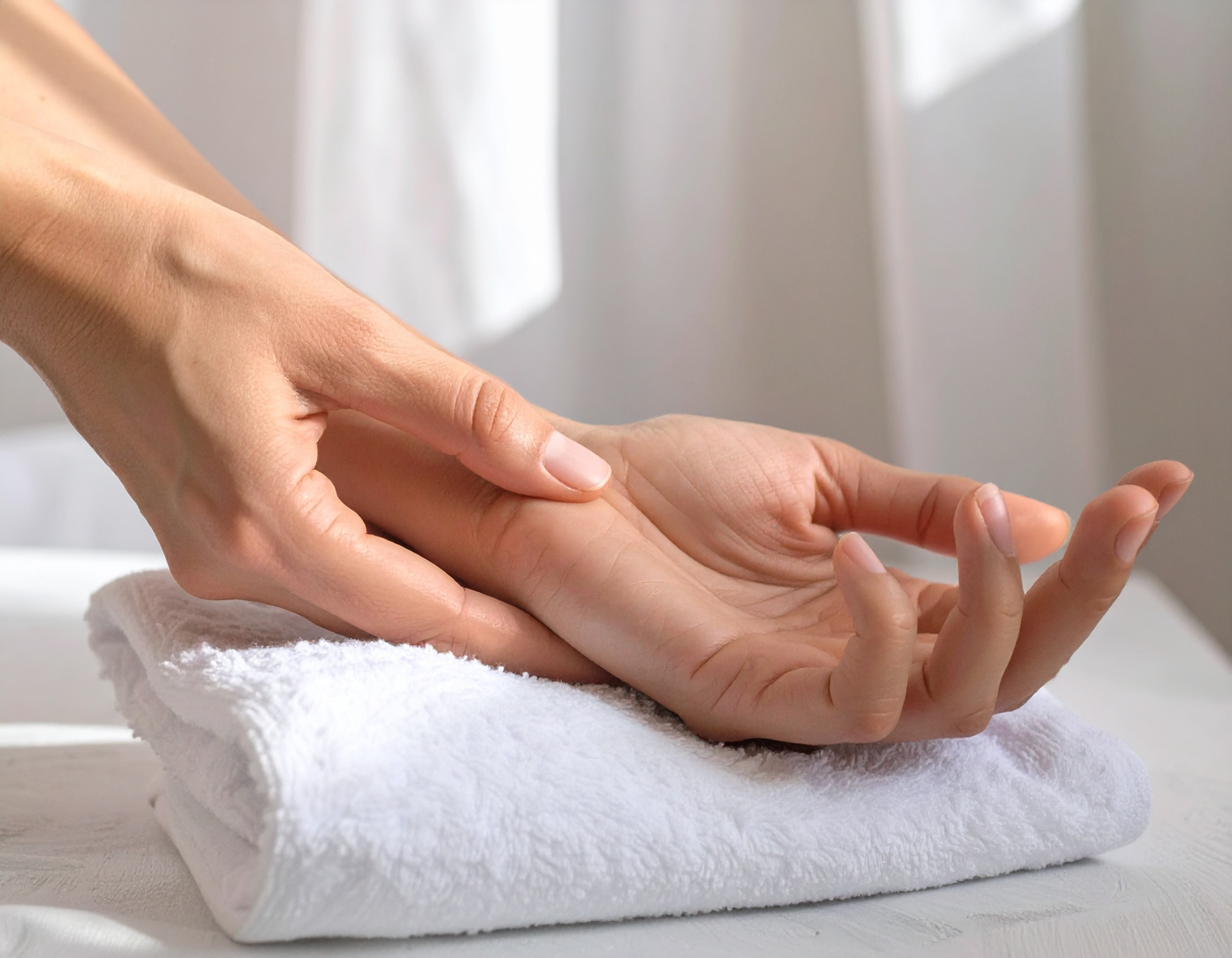
Self-massaging your thumb
If you do it regularly, self-massaging can help relax your tissues, improve your circulation and reduce painful areas of tension.
You can do it on your own, with or without vegetable oil. If you prefer you can get a trained professional to show you how to do it at the start. It is a simple, easy-to-perform method that can provide relief for mildly inflammatory forms of rhizarthrosis.
Essential oils
Certain essential oils are known for their soothing or anti-inflammatory properties, in particular American wintergreen, lemon-scented gum or rosemary.
They can be useful to help relax and soothe the joint when used with localised massaging, but there are things that should be taken into account before using them (contraindications, allergies, dilution).


Herbal remedies
Herbal remedies use medicinal plants such as turmeric, devil’s claw or meadowsweet, often in the form of capsules or tea infusions.
Certain studies suggest that they may have a moderate anti-inflammatory or analgesic effect. Use should be carefully monitored, though, if pharmacological treatment is being administered at the same time.
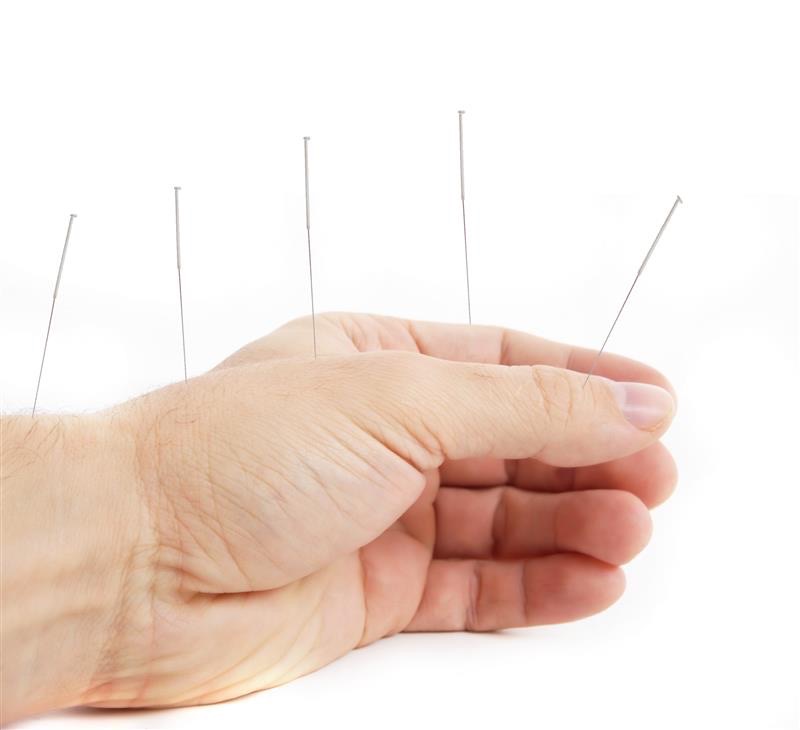
Acupuncture
Acupuncture, which originates from traditional Chinese medicine, involves inserting very fine needles at precise locations, to reduce tension and rebalance the body.
Some patients report temporary relief from pain associated with rhizarthrosis following acupuncture.
It should only be performed by a trained acupuncturist.
Osteopathy
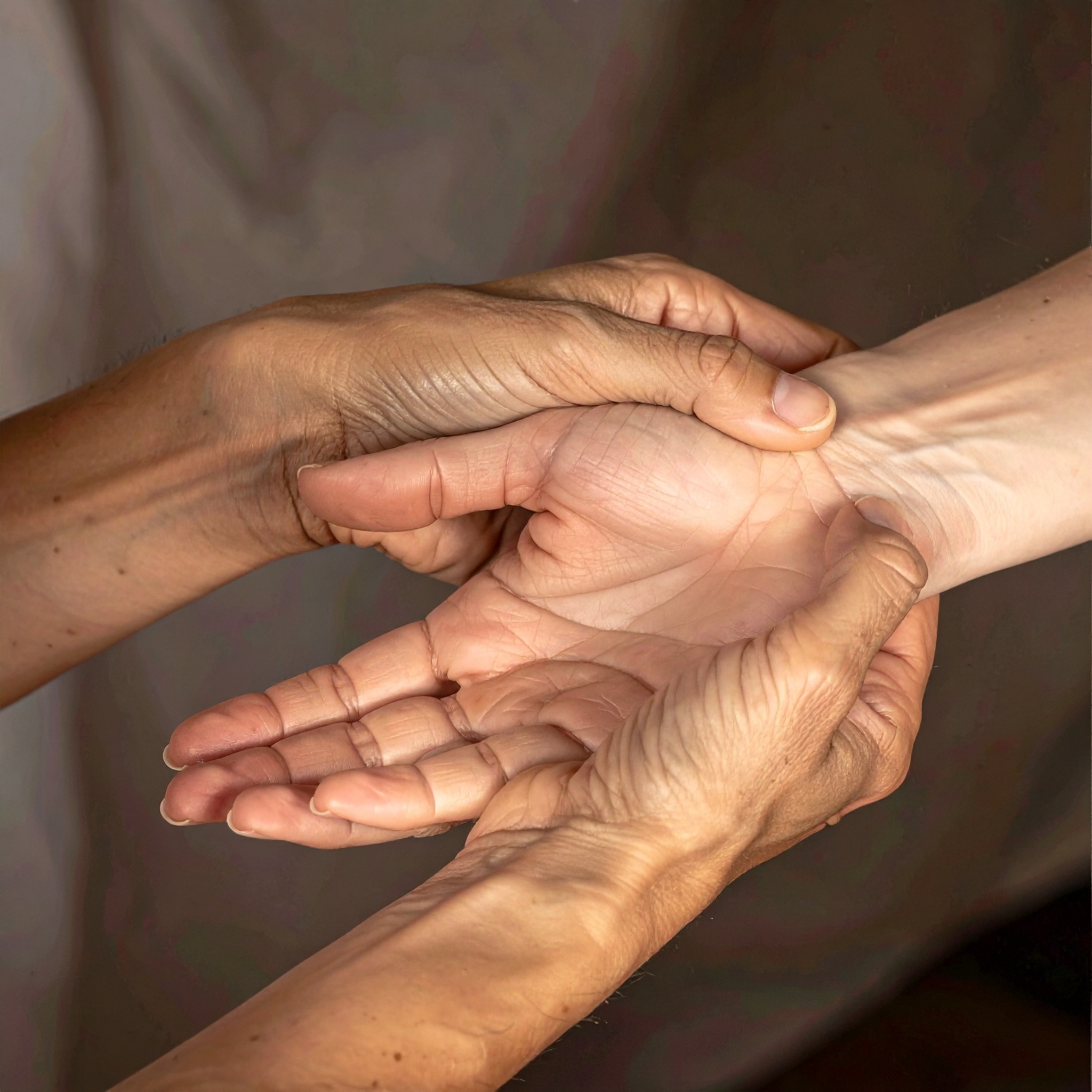
Osteopathy is a regulated form of manual therapy, designed to release body tension, improve joint mobility and rebalance the body.
Although it does not treat arthritis per se, it can provide relief for pain related to mechanical imbalances. It should be personalised to the patient.
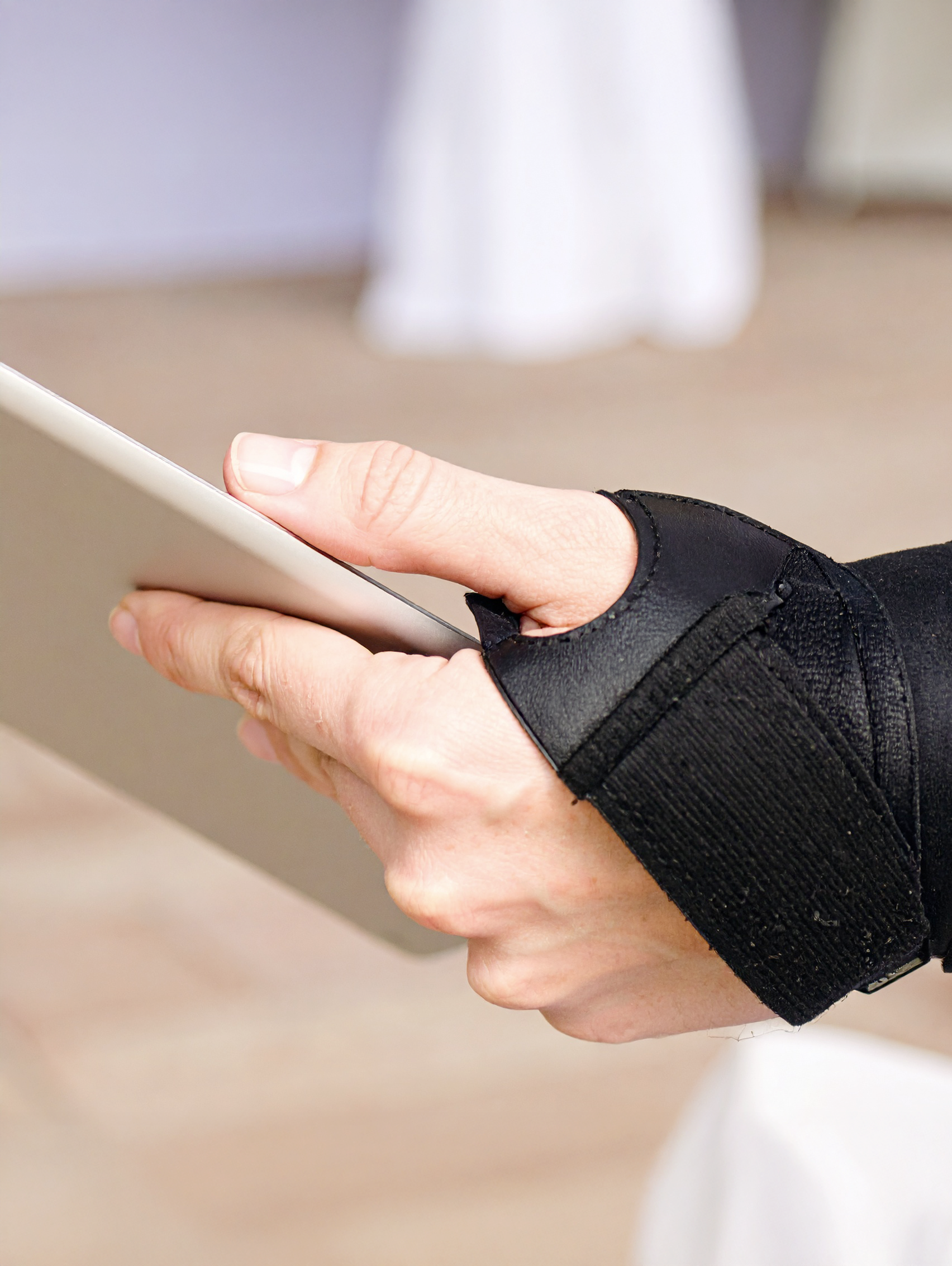
Custom braces and splints
Alongside standard models, there are also custom braces and splints available, which are adjusted by an orthotist or occupational therapist to fit perfectly to the patient’s body shape and his/her hand movements.
They help to relieve pain and protect the joint, especially with repetitive activities.

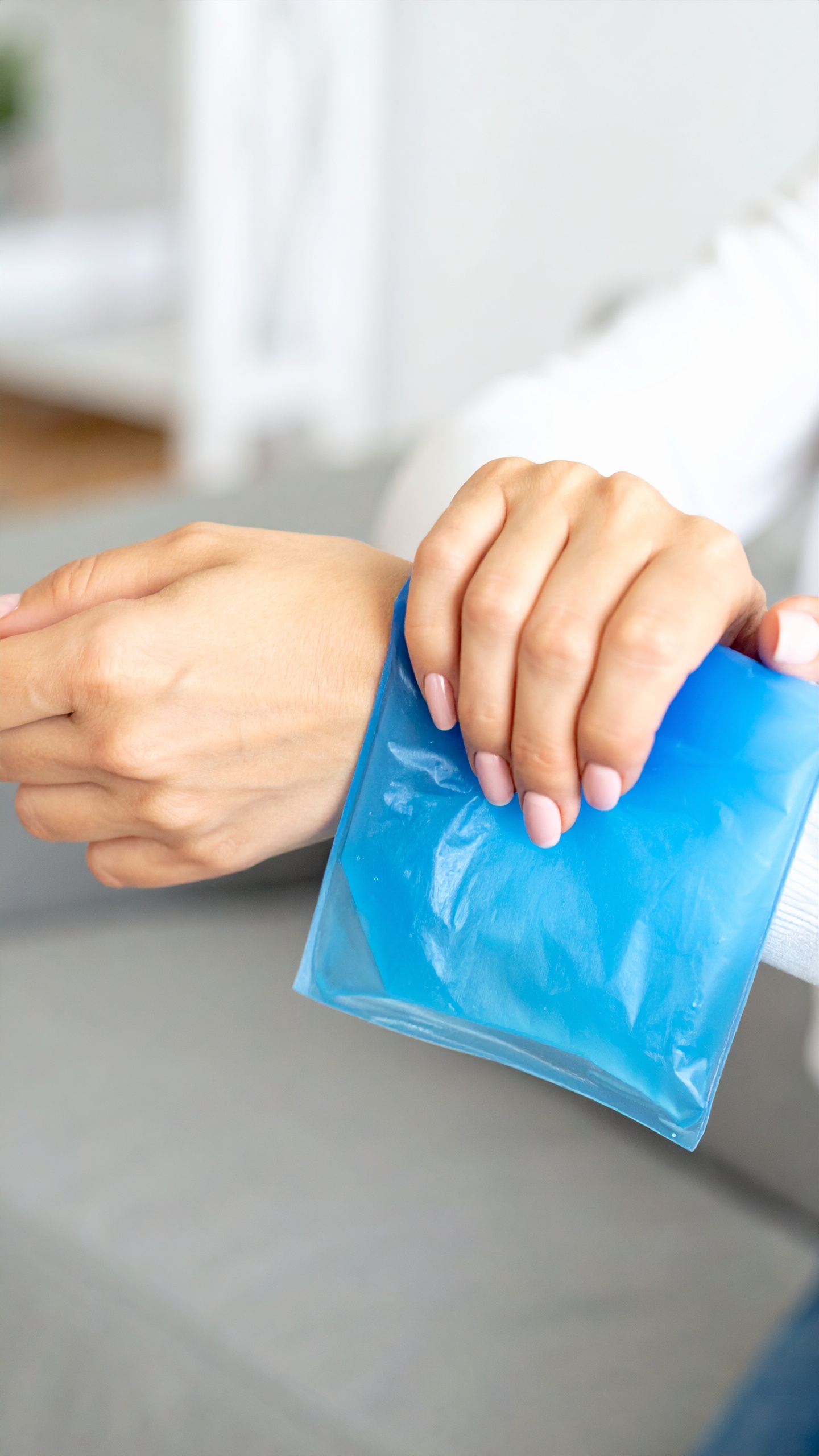
Cryotherapy and dermotherapy
Two different but complementary techniques:
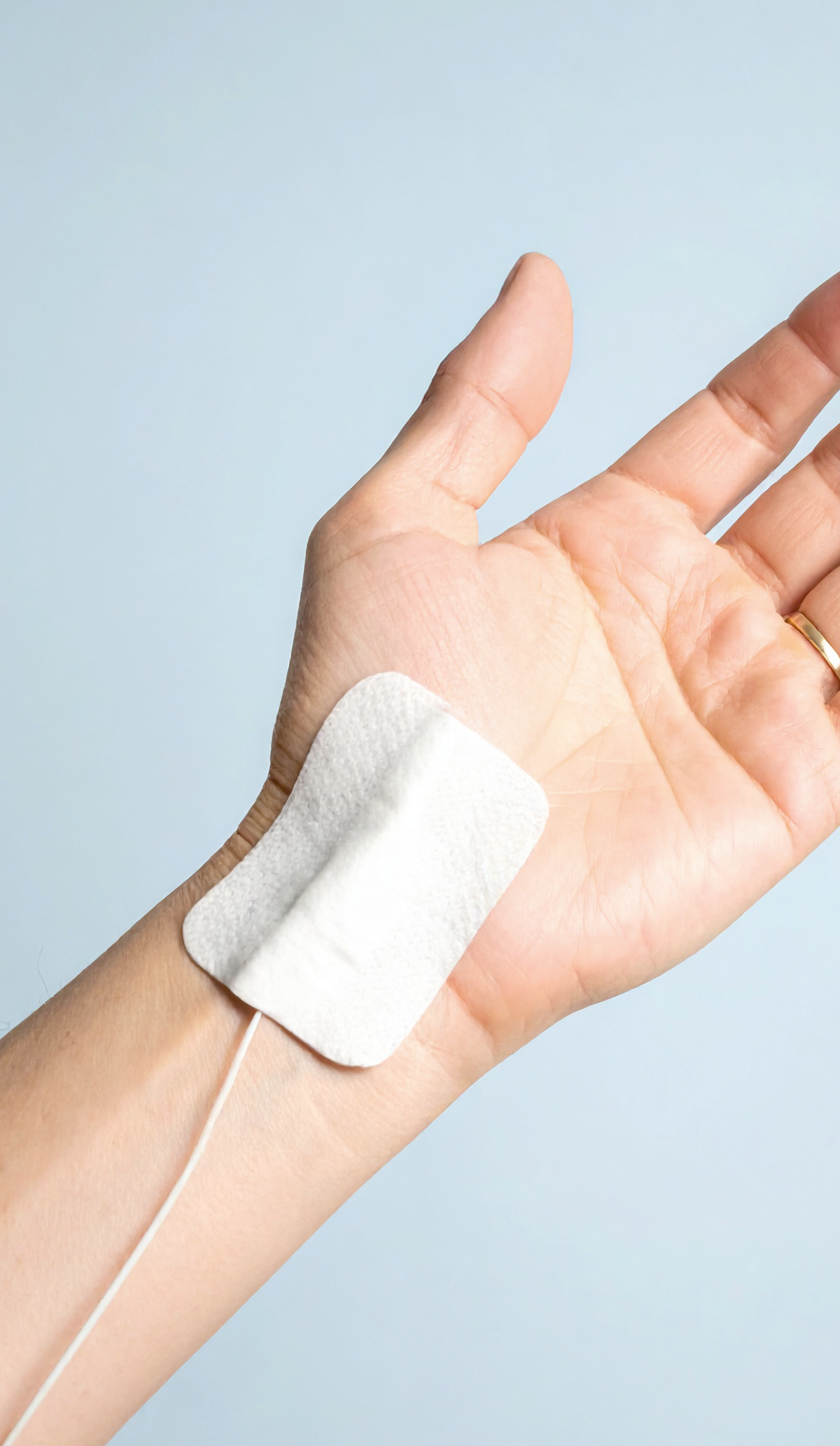
Electrotherapy
Electrotherapy uses low electrical currents to alleviate pain in a specific area.
It does this by reducing the transmission of pain signals or relaxing certain muscles. Some electrotherapy devices can be used at home, but they are only effective for certain types of pain and have to be used correctly.
Magnetic therapy
Magnetic therapy uses magnetic fields for pain relief.
It is a highly controversial method and there is no evidence of real efficacy for the treatment of rhizarthrosis. It may provide a comforting effect for some people. Exaggerated therapeutic claims should be taken with a pinch of salt, though.
Remember :
Not all of these methods offer the same effectiveness, but they can be used as a temporary complementary treatment or for day-to-day support. They should never be thought of as a substitute for medical treatment adapted to the progression of the condition. Do not hesitate to discuss things with your GP or a hand surgeon if the pain persists.


