
Thumb pain, stiffness, recurring discomfort…
What if your diet could alleviate some of the symptoms of rhizarthrosis?
Although they cannot replace medical treatment, certain nutritional habits can play a complementary role in reducing inflammation, alleviating joint discomfort and improving daily quality of life.
This page, which forms part of the ‘Prevention and education’ section, explains which foods to eat more of (or limit), and how a balanced diet can help you tackle this form of thumb arthritis.
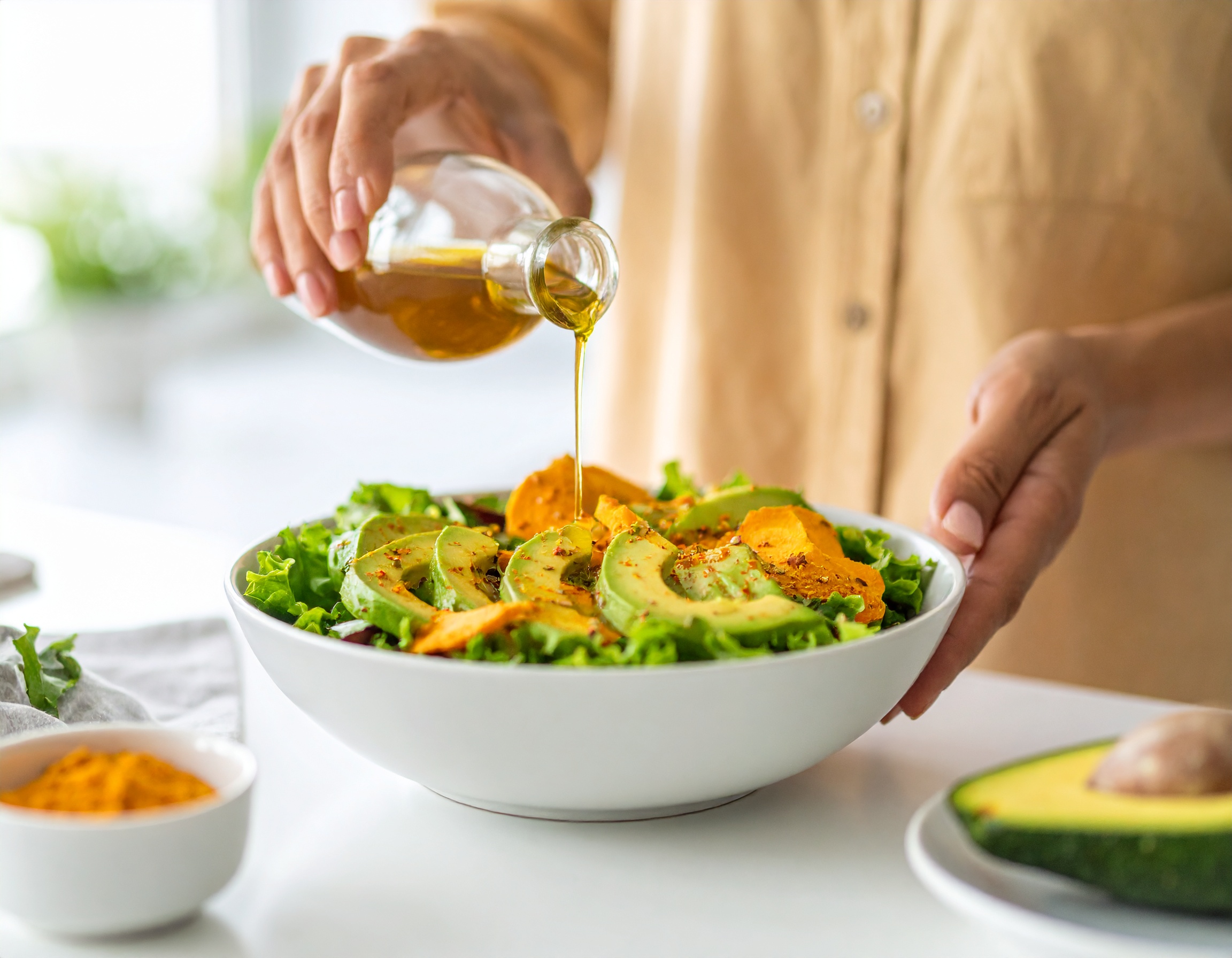
Understanding the link between diet and joint inflammation
Rhizarthrosis is a form of arthritis at the base of the thumb.
Although it is primarily mechanical and degenerative in origin, there are often inflammatory phases. These flare-ups are responsible for increased pain and stiffness and loss of mobility.
There are certain foods, though, that can affect the low-grade chronic inflammation so common in joint conditions.
Thanks to this, diet can play a modulating role, just like sleep, physical exercise or stress management.
Foods that can help with rhizarthrosis
Certain types of food have been found to be good for slowing inflammation or supporting the health of joint tissue:
Foods containing Omega-3s, natural anti-inflammatories
These fatty acids help to regulate inflammatory reactions in the body.
Colourful fruits and vegetables
They combat oxidative stress, often associated with aggravated joint pain.
High-quality vegetable oils
Avoid excessive consumption of oils rich in omega-6 (sunflower oil, soybean oil, maize oil), which can maintain inflammation.
Wholegrains and pulses
Spices and herbs with a calming effect
Water
If you drink 1.5 to 2 litres (3 to 4 pints) of water a day, it helps to flush out metabolic waste and improve tissue flexibility.

Foods to limit
Without wanting to ban certain products completely, it would be a good idea to reduce regular consumption of the following:
Refined sugar
Ultra-processed foods
Excessive levels of salt
Excessive saturated fats
Try going Mediterranean
The Mediterranean diet is often held up as a good model for preventing or combating chronic diseases, such as arthritis. It combines:

5 simple tips for your day-to-day diet
What about dietary supplements?
They are never mandatory, but it is worth considering them, with advice from a doctor. The most common dietary supplements are as follows:
It is vital that you discuss dietary supplements with your doctor, especially if you are on medication (NSAIDs, anticoagulants, etc.).
Remember:
Diet cannot cure rhizarthrosis, but it can:
It should form part of a global lifestyle approach, alongside gentle physical exercise, restorative sleep and good psychological and emotional balance.


