
Rhizarthrosis is a form of osteoarthritis located at the base of the thumb that causes pain, joint stiffness and sometimes major discomfort when performing day-to-day hand movements, tasks and activities.
Medication is one of the key solutions for treatment and care of the condition.
They can relieve pain and reduce inflammation, but cannot stop the progression of your rhizarthrosis.
Provided that they are properly used, under medical supervision, they can help to improve your quality-of-life.
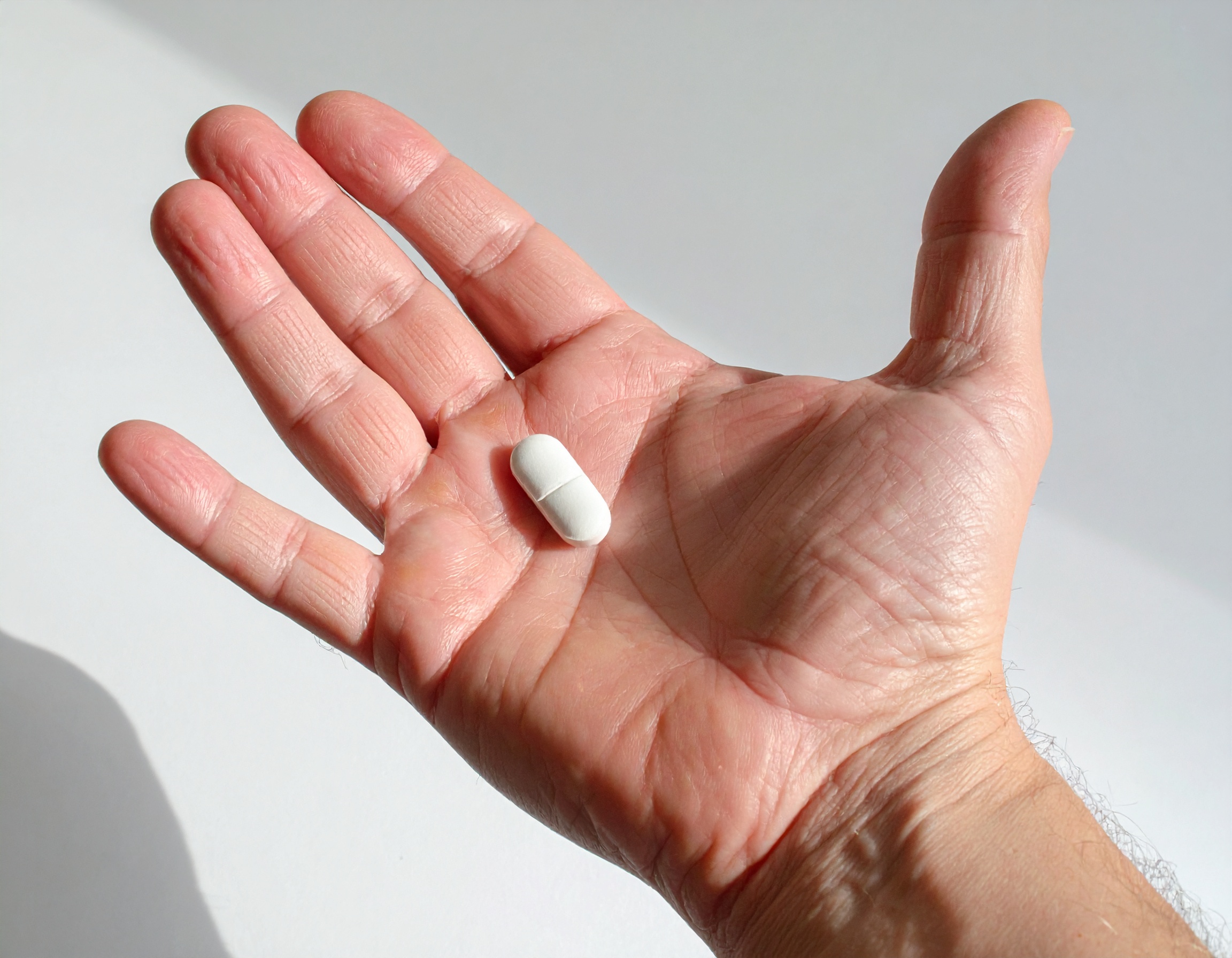
Analgesics for pain relief
The medicinal products use most often are analgesics (or painkillers), designed to reduce pain:
They do not tackle the cause of the pain, but make it easier for you to live with rhizarthrosis, alongside other measures such as wearing a brace or splint or physiotherapy.
Anti-inflammatories
Anti-inflammatories may be prescribed when pain is accompanied by local inflammation:
Special care should be taken when administering NSAIDs, especially in elderly patients or with a history of allergy to NSAIDs.

Injections: a targeted treatment
When the pain becomes incapacitating, injections into the trapeziometacarpal joint can be used:
and should always form always part of an overall strategy, in combination with use of a brace or splint and physiotherapy.
Supplements and natural products: do they work?
Some people turn to dietary supplements or herbal remedies (glucosamine, chondroitin, harpagophytum, etc.) to strengthen the cartilage or soothe the pain.
Scientific studies have produced mixed results though: whilst they may help some people, they should not be seen as a substitute for medically approved treatments. They should be thought of more as complementary and alternative solutions.
Medication: only ever with advice from a doctor
Self-medicating for rhizarthrosis can be fraught with risk, especially if combined with other treatments or used for a prolonged period of time.
We strongly recommend the following:
If pain persists despite complying carefully with treatment recommendations, surgery may be considered, especially in advanced stages.

Combining medicinal products and other solutions
Medication should be used as part of a broader treatment plan for rhizarthrosis, including:

