
Thermal therapy and thumb osteoarthritis: what benefits can be expected?

Soothing heat, baths, therapeutic mud… Many people with thumb osteoarthritis report positive effects of spa treatments on pain. However, between expectations and common beliefs, it’s not always easy to understand what this approach can truly offer.
As a natural solution without medication, thermal treatment appeals because of its holistic approach. But is it really effective in relieving thumb osteoarthritis? And what role does it play in the overall care pathway?
Understanding how it works helps place this option among the various ways to live with thumb osteoarthritis.
What is a thermal spa treatment?
A thermal spa treatment is based on the use of natural mineral waters, known for their therapeutic properties in treating certain conditions, especially joint disorders.
Medically, a course of treatment generally lasts from a few days to several weeks.
The treatments offered may include:
- warm baths,
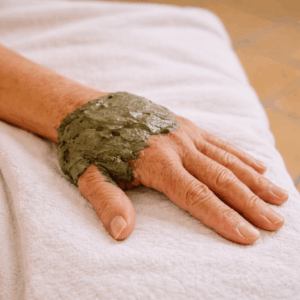
- mud applications (peloids),
- jet showers,
- gentle mobilization exercises.
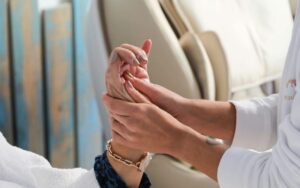
In some spa centers specializing in rheumatology, specific devices for the hand are also used. These allow targeted exercises for the thumb and fingers, often in water, making movement easier and less painful.
Why consider a thermal spa treatment for thumb osteoarthritis?
Thumb osteoarthritis (rhizarthrosis) is the progressive wear of cartilage at the base of the thumb. It can cause pain, loss of strength, and reduced mobility.
In this context, thermal treatment is sometimes considered a complementary approach.
Effect on pain
The heat from treatments promotes muscle relaxation and can help reduce the perception of pain.
Gentle mobilization
Exercises performed during treatment, especially in water or with specific hand devices, help mobilize the joint without overstraining it.
A moment to rethink daily movements
The treatment setting also provides an opportunity to step back and adapt everyday gestures.
👉 These approaches complement the solutions presented on the “Treatments for rhizarthrosis” page.
What benefits are observed?
The effects of thermal treatments can vary from person to person, but some commonly reported benefits include:
- temporary pain relief,
- reduced joint stiffness,
- greater ease in daily activities,
- an overall sense of well-being.
These effects are generally temporary and do not stop the progression of the disease.
It’s important to remember that thermal treatment acts on symptoms but does not repair cartilage.
When should you consider it?
A thermal spa treatment may be considered:
- when pain becomes bothersome in daily life,
- as a complement to other treatments (splints, exercises, support…),
- with the aim of reducing reliance on medication.
It can also be part of a broader strategy to better live with thumb osteoarthritis.
A complementary approach in the care pathway
Thermal treatment is not a standalone solution. It is part of a comprehensive management plan that may include:
- the use of a brace or orthosis,
- adapted exercises,
- medication if necessary,
- or, in some cases, surgery.
The choice of treatment depends on each individual situation and should be discussed with a healthcare professional.
Limitations to be aware of
Although generally well tolerated, thermal treatment has some limitations:
- its effects are often temporary,
- it requires time and organization,
- its effectiveness varies from person to person,
- it does not replace other treatments.
It should therefore be considered a complementary option in managing the condition.
Conclusion
Thermal spa treatments can provide moments of relief and help improve daily comfort for people with thumb osteoarthritis. Thanks to their holistic approach—heat, mobilization, and support—they help manage symptoms more effectively.
They may positively influence pain and mobility and fit well into a broader treatment plan. However, their effectiveness is individual and limited over time.
Thermal treatment does not address the root cause of thumb osteoarthritis, but it can be a useful step in a personalized care journey.
And perhaps the real challenge is not finding a single solution, but building a balance between different approaches to preserve hand function as much as possible over time.
