
Action can – and should – be taken as soon as rhizarthrosis is diagnosed.
If the right hand movements for joint protection are adopted, patients can slow down progression of the condition, maintain thumb mobility and prevent more severe discomfort.
Taking early action forms an integral part of the prevention and therapeutic education strategy and echoes the advice that can be found under ‘Prevention and education’. It also complements the detailed information provided under‘Understanding rhizarthrosis’, which explores the mechanisms of the condition and its symptoms and causes.

Adopt good daily habits
Even in its early stages, rhizarthrosis weakens the joint at the base of the thumb (the trapezometacarpal joint).
Unless you adapt certain common movements, cartilage wear can be aggravated. If you learn to protect this area from the very first signs of rhizarthrosis, on the other hand, it can help with limiting inflammation, pain and progressive deformation of your thumb.
Here are some simple habits to integrate from the start:
These habits complement the exercises described in ‘Exercises you can perform on your own at home’, which aim to gently mobilise the joint.
Explaining without causing concern: a key role for doctors and healthcare professionals
It is important that patients are not made to feel excessive concern when diagnosed with rhizarthrosis – instead it should be the trigger for constructive dialogue.
Doctors and healthcare professionals can help make patients active participants in their own care by clearly explaining how they should use their hands and giving specific advice and recommendations.
Patients can start learning how to manage their rhizarthrosis as soon as they are diagnosed, with advice from a GP or hand specialist. Evaluation by a physiotherapist or occupational therapist can also help this process. They can propose personalised adjustments and recommend, if necessary, that the patient should wear a specially designed brace or splint.
These recommendations can form part of a broader strategy, combining complementary solutions, such as the use of technical aids, relaxation techniques or psychological support.
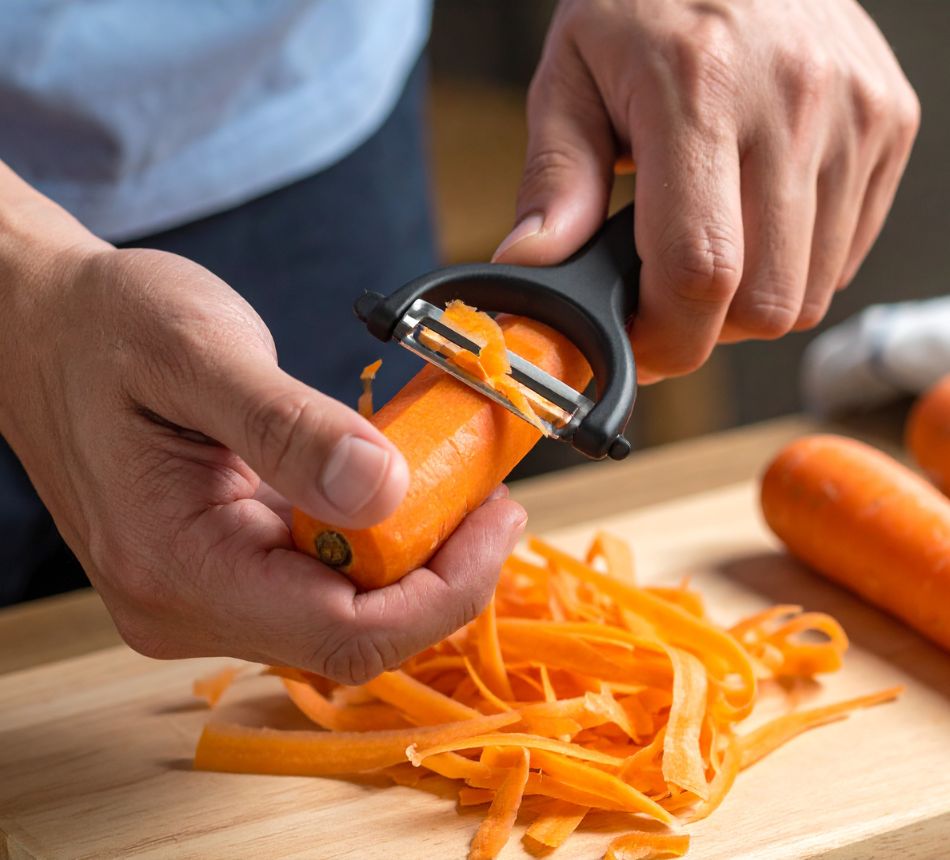
Protection without immobilisation: finding the right balance
The aim is not to do everything possible to limit use of the thumb, but to adapt what you do, without painful or traumatic hand movements.
Full immobilisation should only be used in the event of an inflammatory flare-up or on medical advice.
Here are some simple adjustments to try:
These adjustments follow on from the advice you will find if you click on ‘Living with rhizarthrosis’, in particular under ‘Every day hand movements, tasks and activities that need to be adapted’ and ‘Grip aids’.
A useful long-term approach
If patients are made aware of how to manage rhizarthrosis early, then it can not only help to maintain thumb function, but also ensures that patients adopt long-term good habits.
By adopting these protective movements at an early stage, when pain is still moderate, they can help prevent painful flare-ups or aggravation of joint deformation.
These foundations link up with the long-term approaches outlined under ‘Prevention and education’, which also addresses:
If discomfort continues or deteriorates, despite all these measures, there are other options available: wearing a brace or splint, injections or surgery. Further details on these solutions can be found under ‘Treatment and care’.

