
Rhizarthrosis, or basal joint arthritis, is a progressive condition that can go unnoticed for a long time.
As soon as the first signs appear, though (difficulty gripping, diffuse pain, morning stiffness), you can start implementing measures to maintain joint mobility and slow its progression.
This page is part of the ‘Prevention and education’ section, which is essential reading to really understand how wear can affect joints and to find out about good practices to adopt before rhizarthrosis becomes disabling.

How to identify the early signs that really should not be ignored
Rhizarthrosis often develops in stages and the first symptoms are barely noticeable.
It is therefore very important to be aware of certain warning signs:
Although these symptoms are sometimes just temporary, they indicate that the trapeziometacarpal (TMC) joint is being overworked.
By taking action at this stage, you can help slow the progression to chronic pain or thumb deformation.
Adopt good daily habits
Some simple habits can protect your thumb joint from the first signs of discomfort:
The above measures should form part of a comprehensive approach to preserving mobility despite rhizarthrosis.
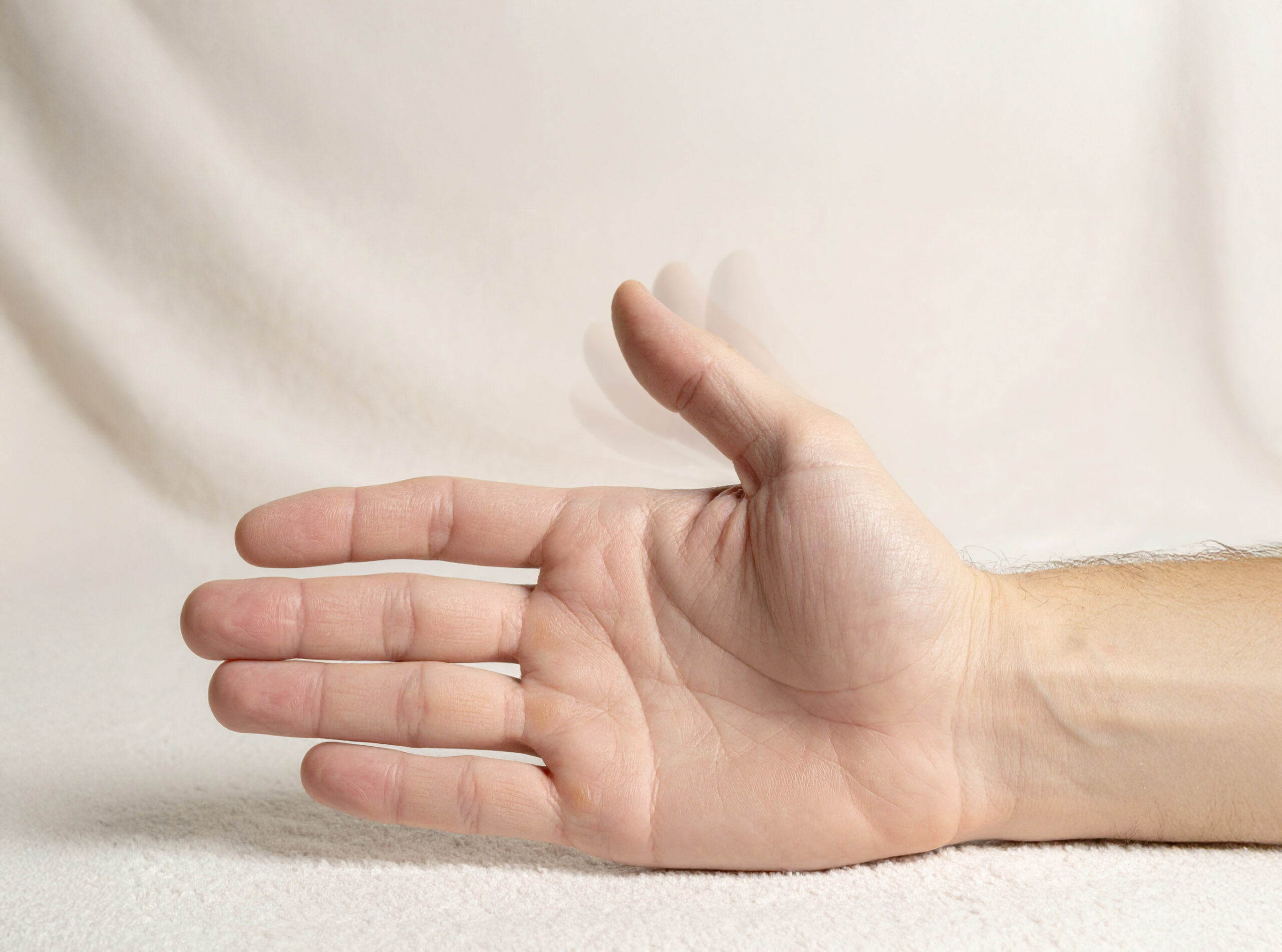
Perform gentle exercises to maintain flexibility
Simple warm-up or stretching exercises can help to maintain joint mobility, stimulate local circulation and limit stiffness:
These exercises are particularly effective for preventing rhizarthrosis, if performed regularly.
You can find specific examples on our page ‘Warm-up exercises for preventing joint wear’.
Consult a doctor or other healthcare professional as soon as you are concerned
It is recommended to consult a GP, physiotherapist or hand specialist in the event of recurring symptoms, even if you have not been formally diagnosed with rhizarthrosis.
This helps for evaluation of joint condition, identifying potential aggravating factors and devising a personalised preventative strategy.
Depending on your specific case, treatment may include :
Planning ahead – a key way of coping with the condition
By listening carefully to your thumb joints, acting at the first signs of discomfort and seeking support, you can often delay the progression of rhizarthrosis. A preventative approach can help to limit chronic pain, delay the need to resort to invasive treatments and maintain hand function over time.
It forms part of a broader strategy of increasing patient awareness post diagnosis, so that patients know how to adapt their hand movements and activities as soon as they are diagnosed.
Remember:


