
Even without medication, it is possible to reduce the pain associated with rhizarthrosis and regain comfort in everyday activities.
Different approaches act on inflammation, joint stiffness or hand fatigue, while adapting to each individual’s pace.
This topic forms part of the wider framework of treatment and care for rhizarthrosis, which also includes drug treatments, orthoses, rehabilitation and surgery.
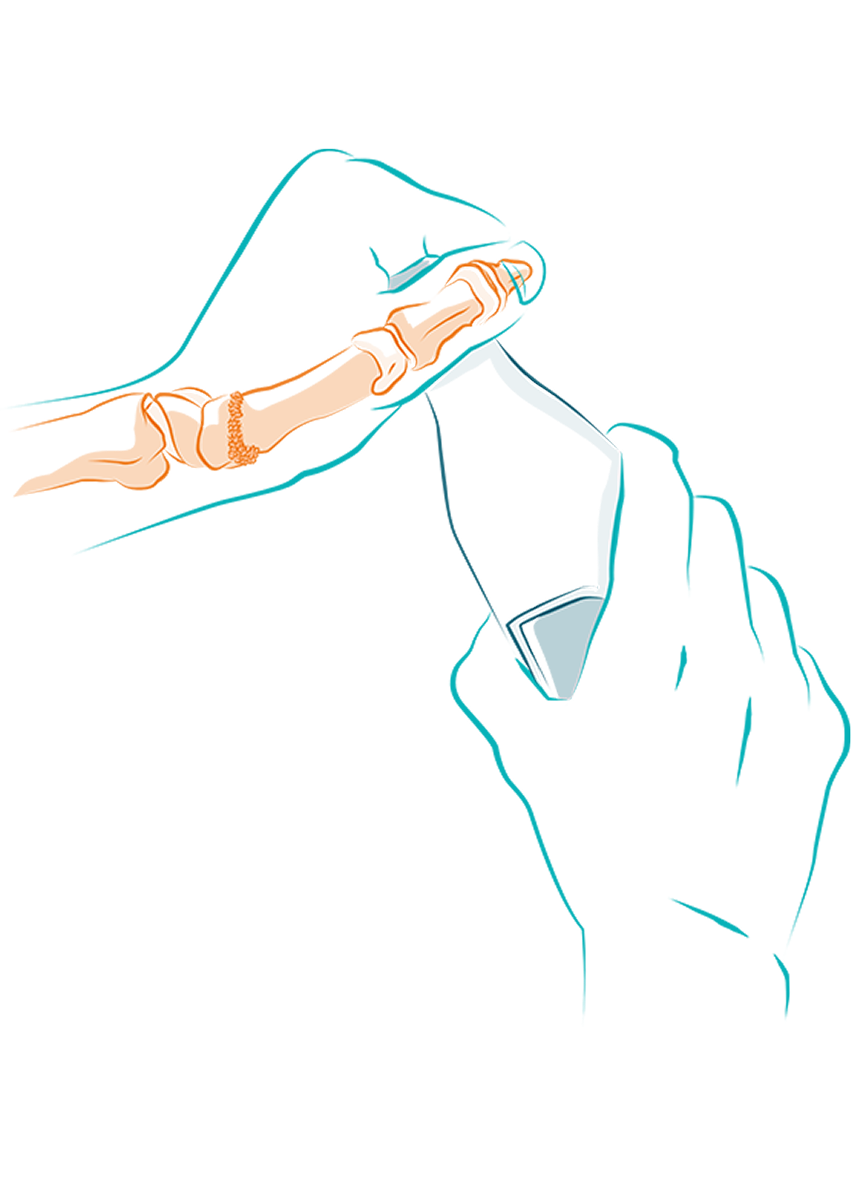
Listen to your body and adjust your movements
The pain is not constant: it varies according to effort, posture or the intensity of the day.
Knowing how to recognise the signals sent by your body is an essential step. It is not a question of stopping all activity, but of adapting one’s movements to limit painful or repetitive movements.
Some useful adjustments:
These thumb-protecting gestures are described in detail on the adapting your daily life with rhizarthrosis page.
Wearing an orthosis: effective support
Although it is not a drug, the rest orthosis plays a major role in pain management.
Worn at night or when resting, it stabilises the joint and reduces tension during painful flare-ups.
Some orthoses are also designed to be worn during the day, to support the thumb while maintaining freedom of movement, particularly for the wrist. Their use must be tailored to the discomfort experienced and the activities practised.
For more information, see Wearing an orthosis.
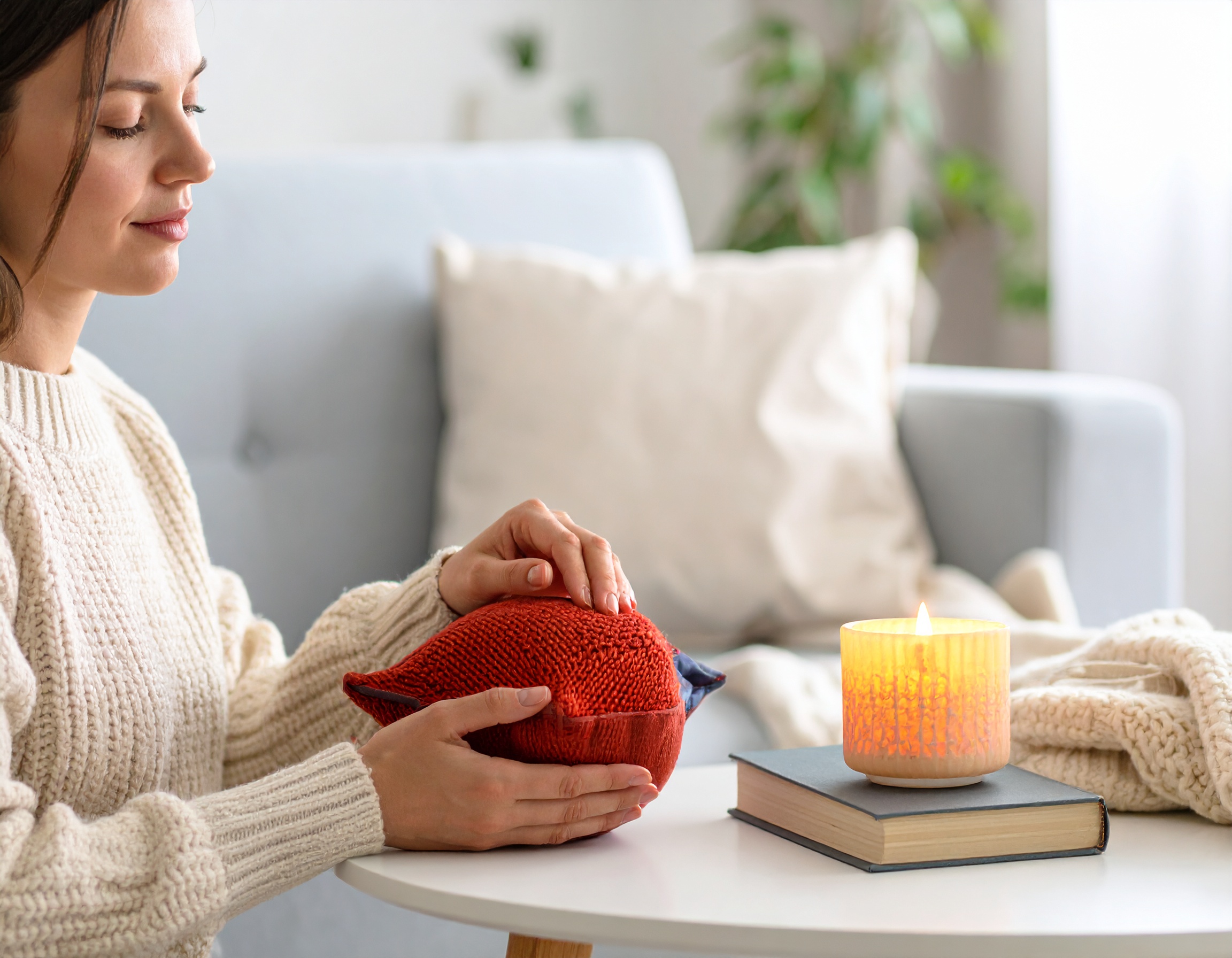
The benefits of hot and cold
Applying heat (hot water bottle, heating glove) helps to relax muscles and make stiff joints more supple.
Conversely, cold (ice packs, cooling gels) provides relief in the event of inflammation or occasional swelling.
Alternating these two methods as needed can be effective, provided : never apply directly to the skin, limit the duration to 10-15 minutes.
These simple techniques can also be incorporated into supervised approaches such as cryotherapy.
Gentle exercises and self-massages
Even in the event of pain, movement is still beneficial. Gentle exercises help to maintain mobility and limit joint stiffness.
Physiotherapy can guide you in this process, but some simple exercises can be carried out at home.
Regular thumb self-massage stimulates local circulation, relaxes tissues and helps relieve chronic tension.
This can be done with or without vegetable oil, particularly at the end of the day or after strenuous activity.
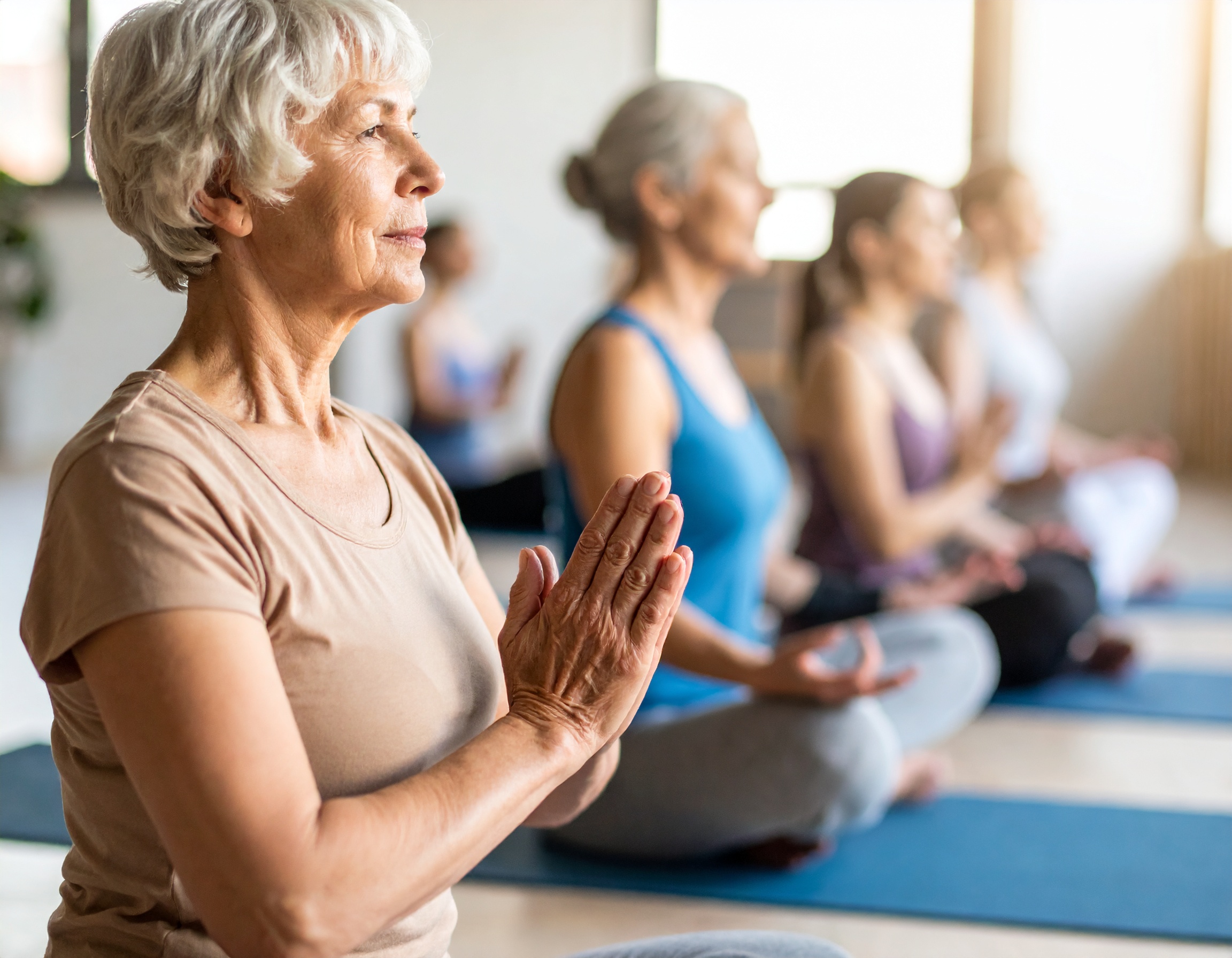
Relaxation techniques and holistic care
Chronic pain also has an emotional impact :
stress, sleep problems, irritability, etc. These factors can amplify the painful sensations. Taking care of your psychological balance is therefore essential.
Here are some useful tips:
Certain practices, such as osteopathy and acupuncture, are also considered as complementary approaches. Their benefits vary from one individual to another, but they can provide support when practised by qualified professionals.
These avenues are detailed in the Complementary and alternative solutions section.
Progressive, personalised relief
Pain relief without medication is possible, as long as you try different methods and adapt them to your lifestyle.
Every step counts: it’s not a question of putting everything in place at once, but of moving forward gradually, respecting your limits.
A healthcare professional – GP, rheumatologist or hand surgeon – can help you identify the most appropriate solutions and, if necessary, consider more specific treatment.


