
In addition to standard treatments,
there are also certain ‘natural’ or ‘alternative’ treatments available, that may help to relieve the pain associated with rhizarthrosis, a form of arthritis that affects the base of the thumb.
These natural or alternative treatments do not claim to stop progression of rhizarthrosis, because the only treatment option with long-term efficacy is surgery, but they can help to improve day-to-day joint comfort.
This page follows on from the options discussed under ‘Treatments and care for rhizarthrosis’ and provides further details for the ‘Complementary and alternative solutions for rhizarthrosis’ that some people decide to look into.

Medicinal plants: potential pain support
Certain plants have traditionally been used for joint pain because of their anti-inflammatory or analgesic properties:
These plants can be consumed in the form of herbal teas, capsules or extracts. Although use of such herbal remedies is widespread, caution should be exercised, because their effects can vary and they may interact with other treatments.
If you are suffering from chronic rhizarthrosis, it is vital that you talk to your doctor before any self-medication.
Essential oils: local, supervised use
Essential oils are sometimes used for pain relief in massages. The most common essential oils used for arthritis are:
Essential oils must be diluted in a vegetable oil (e.g. sweet almond or macadamia oil), then applied in small amounts to the base of the thumb. They should be used occasionally and on a localised area, avoiding damaged skin or mucous membranes.
Again, effects may vary and it is important to follow the precautions for use.
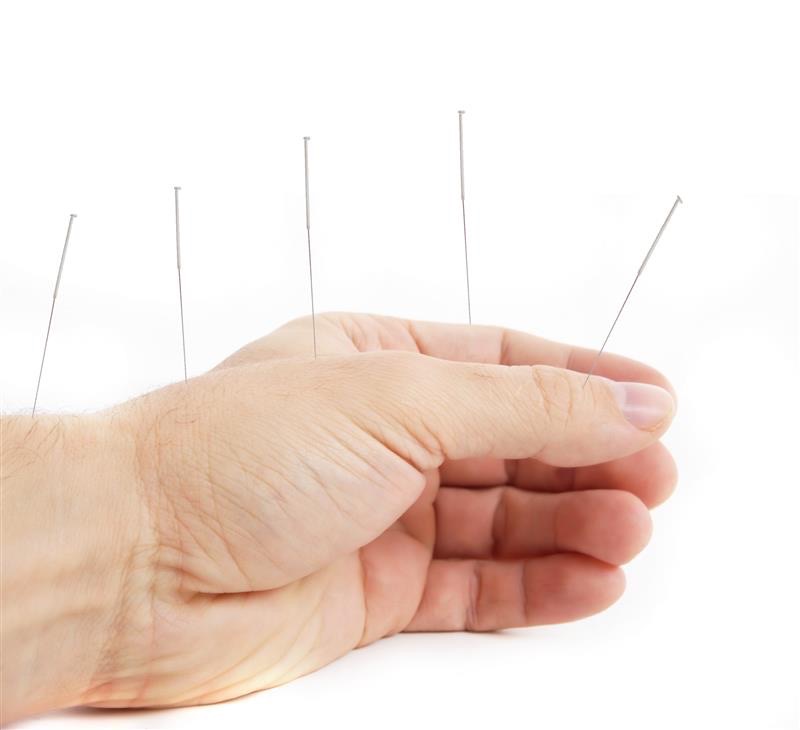
Acupuncture: a complementary approach
Acupuncture, which comes from traditional Chinese medicine, involves stimulating specific points on the body using very fine needles.
Although it is not effective for everyone, it can help reduce pain perception in certain people
and can be used as part of a comprehensive care plan, in conjunction with the maintenance therapy. With rhizarthrosis, the aim of acupuncture is to improve pain tolerance and it has no effect on progression of the condition.
Dietary supplements: monitored support
There is a wide range of supplements available for joint comfort:
Results vary from person to person and depend on the stage of progression of the condition. If such supplements are used, it should form part of a monitored approach, based on medical advice, in particular to avoid potential interactions or overdose.
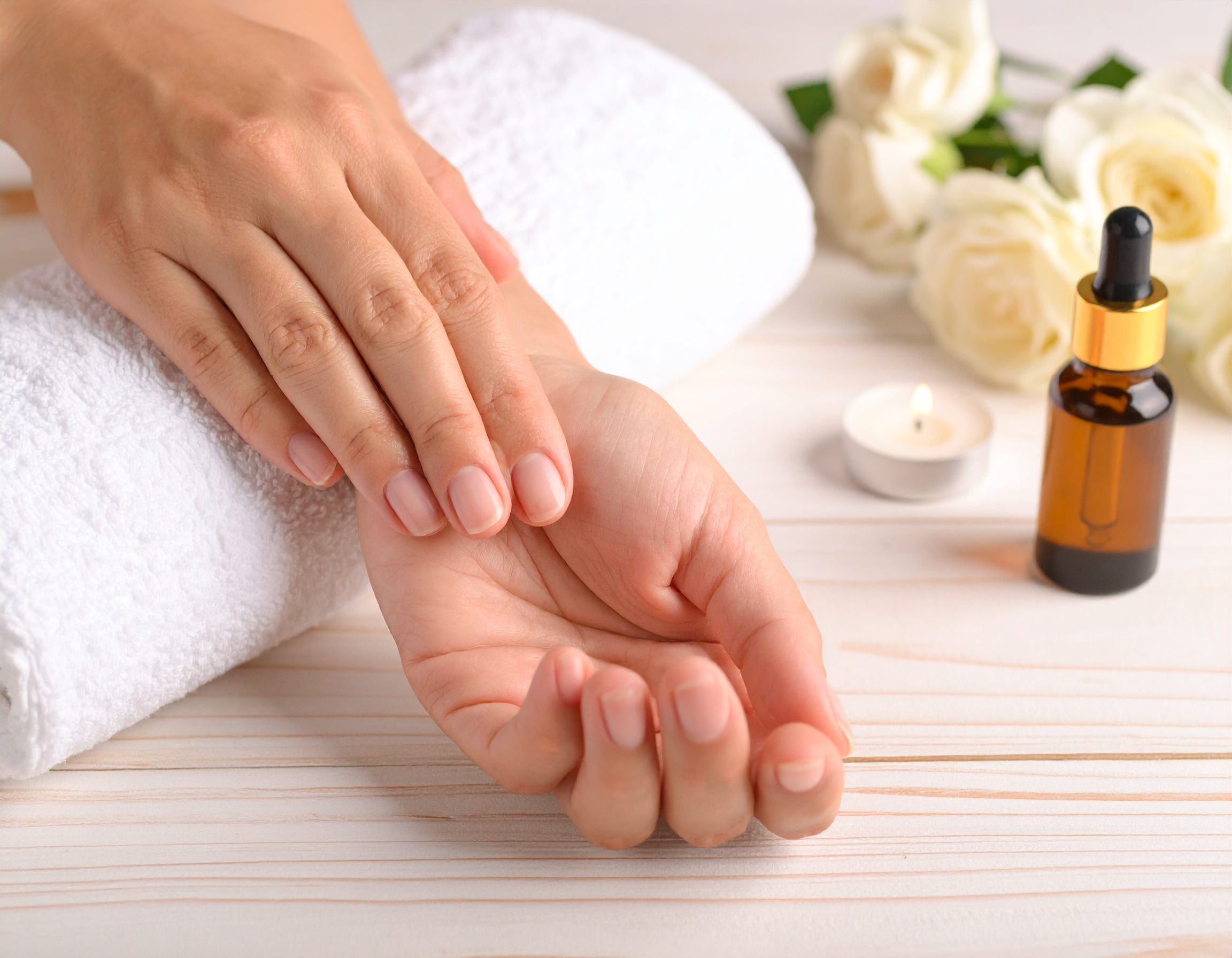
Simple everyday solutions
There are a number of non-pharmacological solutions available for lasting pain relief:
Self-massaging your thumb, if performed regularly, helps to relax the tissue and improve circulation.
Wearing a brace or splint, especially at night or during periods of intense use, reduces mechanical stress on the joint.
Adapting hand movements or equipment used (wider handles, ergonomic household utensils, etc.) helps reduce strain placed on the thumb.
Cryotherapy: the option with scientific support
Cryotherapy (application of cold to specific areas of the body) is the ‘natural approach’ that has received most scientific backing.
Cold has a recognised anti-inflammatory effect, which can provide temporary pain relief, especially in the case of painful flare-ups.
It can be used in the form of cold packs, ice baths or supervised cryo-chambers.

What about other treatment measures? We recommend approaching them with caution…
Some approaches, such as osteopathy, dermotherapy, electrotherapy or magnetotherapy, are sometimes proposed for pain relief.
They have not demonstrated efficacy specifically for rhizarthrosis in the studies available.
Although they may improve the patient’s general sense of well-being, they should not be used as a substitute for validated treatments or delay appropriate care.
Remember:
Natural treatments may complement medical treatment, but should not be considered as long-term treatments for rhizarthrosis. They should be considered as occasional support, always as part of a comprehensive approach.
For further information on all recognised treatments:
To improve your understanding of the condition and its mechanisms:
If the pain becomes incapacitating, only surgery can offer a lasting solution:
