
Rhizarthrosis, or thumb osteoarthritis, can make it difficult to perform fine hand movements and can turn every day hand movements into real challenges: opening jars, writing, doing the buttons up on a shirt, etc.
Even though the condition is progressive, you can maintain good thumb mobility by adopting protective measures and keeping your thumbs active.
By doing so you can also maintain your independence and quality of life. Useful information for improving your overall understanding of the condition can be found under ‘Understanding rhizarthrosis‘.
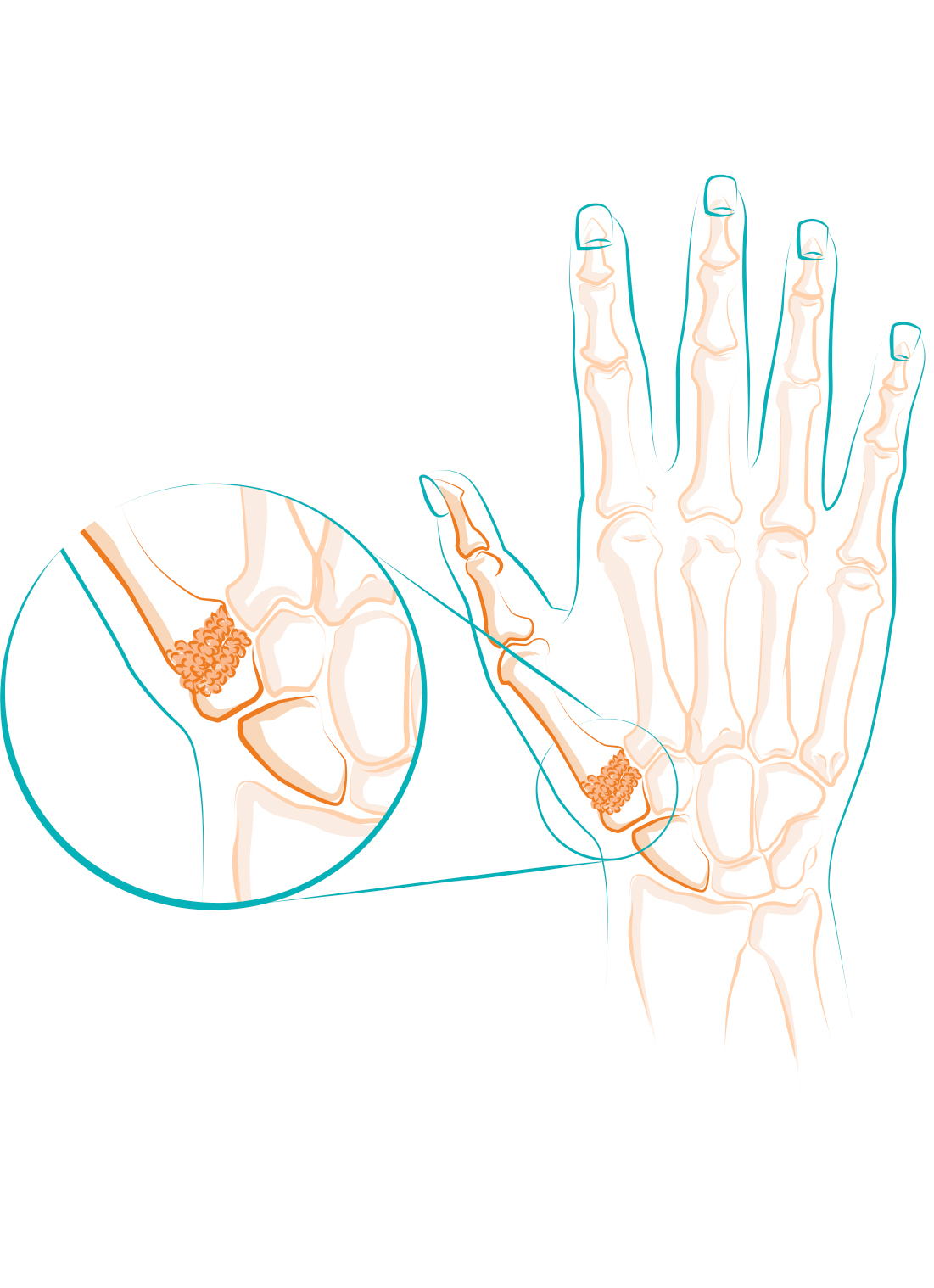
Why is my thumb losing its mobility?
Rhizarthrosis affects the trapeziometacarpal joint at the base of the thumb, essential for all movements involving gripping, squeezing and pinching.
As your cartilage wears away, you will gradually start to notice:
This development is not irreversible, though. By making early adjustments, you can help to slow down functional discomfort and maintain some ease of hand movement.
Adapting your day-to-day hand movements, tasks and activities
Limiting painful movements, tasks and activities does not mean that you should stop using your hand.
The aim is to reduce mechanical stress on the joint.
Here are some useful tips:
Practical advice can be found under ‘Everyday hand movements, tasks and activities that need to be adapted in the event of rhizarthrosis’.
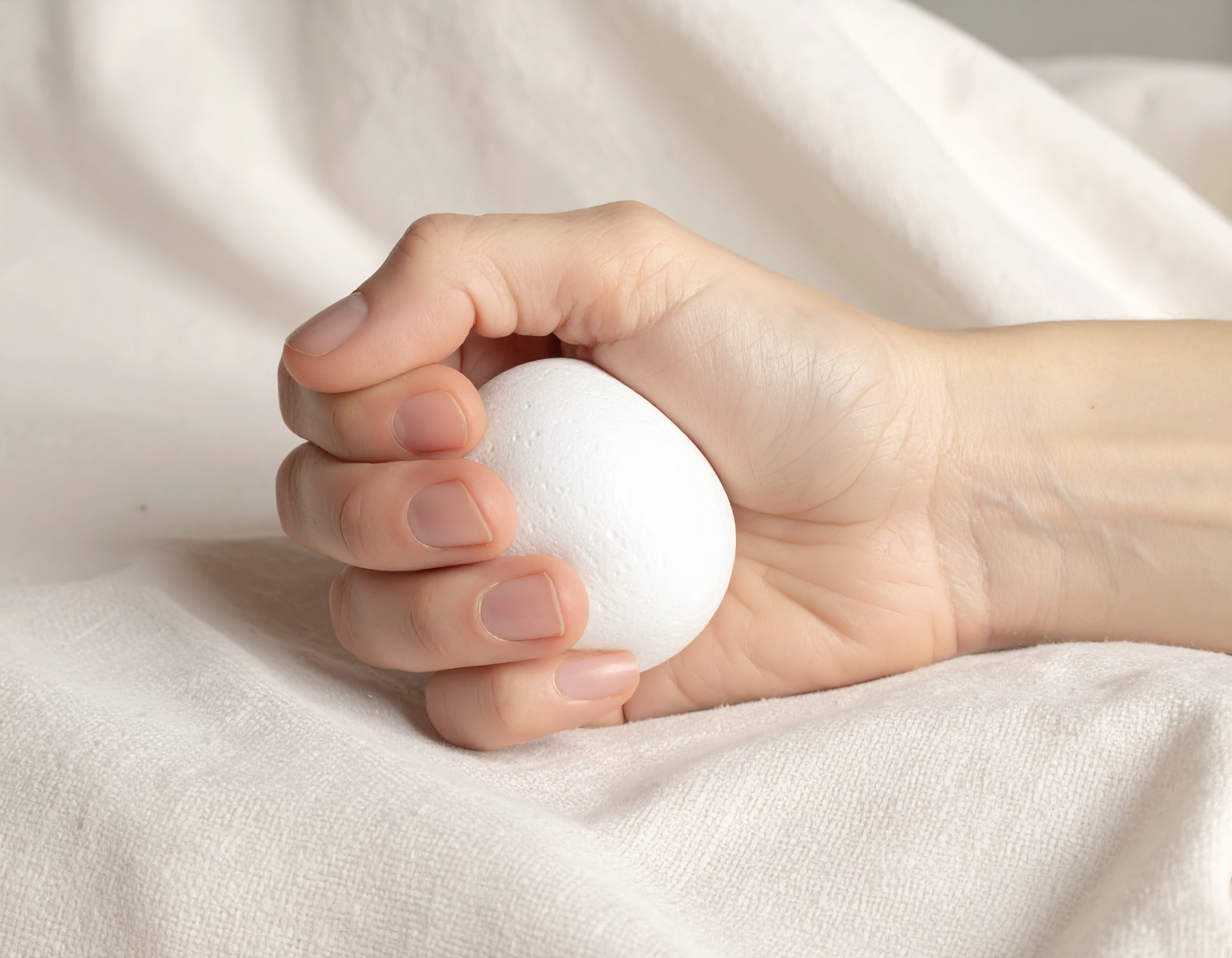
Perform targeted warm-up exercises
It is a good idea to warm up your joints before cooking, doing DIY, writing or gardening.
This limits the risk of post-exertion stiffness or pain.
Examples of warm-up exercises:
A detailed description of these simple exercises can be found under ‘Warm-up exercises for avoiding wear and tear of the thumb joint’.
Maintaining thumb joint flexibility
If you do not want stiffness to set in, then it is essential to keep your thumb moving.
The objective is not to force it, but to gently maintain your thumb’s mobility.
Recommended exercises include:
You can ask a physiotherapist to draw you up a physiotherapy and self-rehabilitation plan, to gradually support these methods.
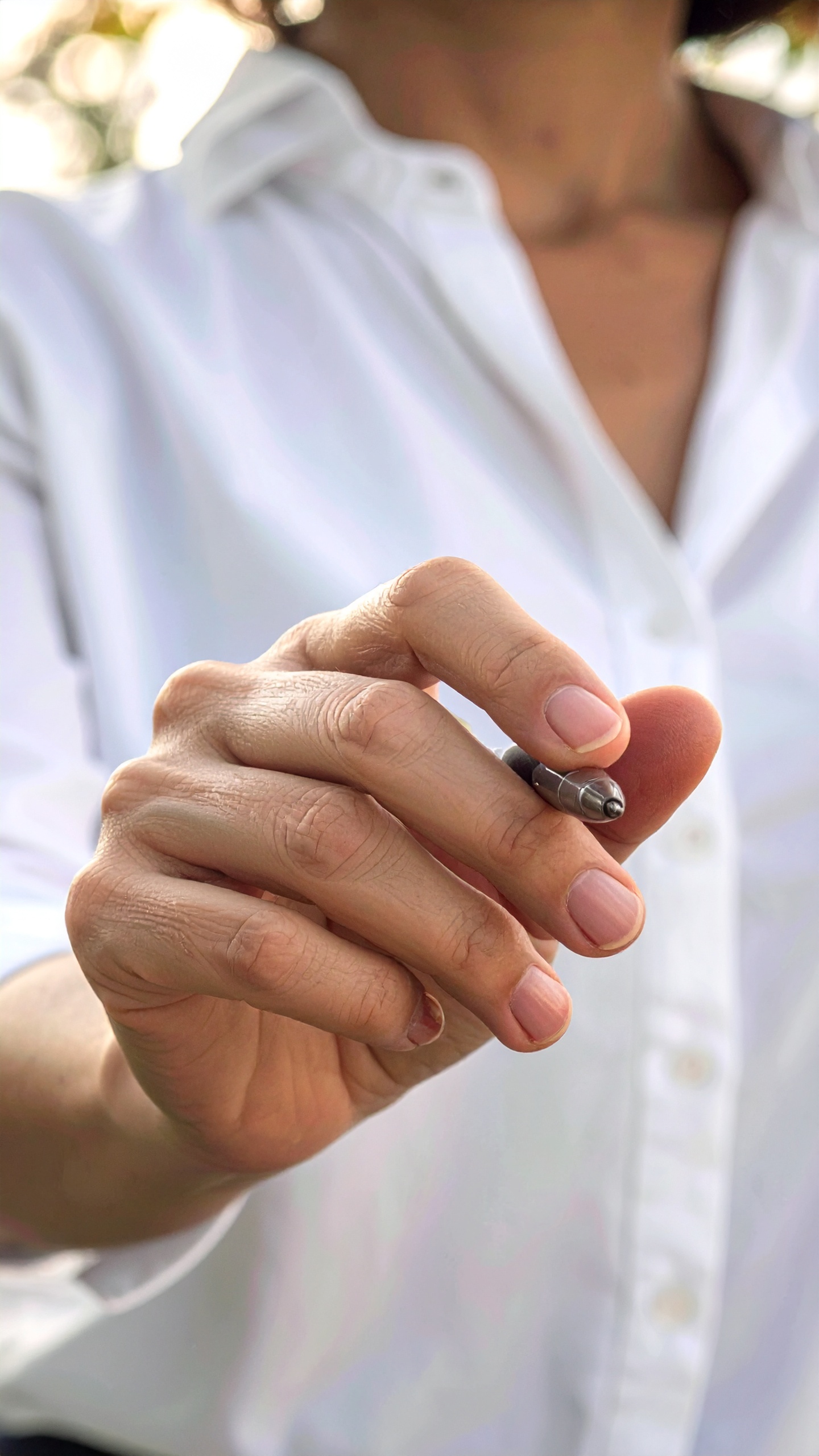
Using technical aids when you need them
There are a range of ergonomic tools available that help to avoid straining the joint and allow you to continue performing day-to-day tasks without excessive pain.
Here are some examples:
You can find a number of tools under ‘Grip help: tools for patients’.
Wear a brace or splint if necessary
A night splint or functional thumb brace (worn during the day) can help to:
You should not wear a brace or splint all the time, but just when it is needed (work, rest, inflammatory flare-up). You can find further information under ‘Wearing a brace or splint’.

Keep active to maintain thumb mobility
Physical activity, even if it is gentle, helps to promote joint flexibility, muscle tone and general well-being.
Various forms of sport and gentle physical activity are perfectly compatible with rhizarthrosis:
You can find tips to suit you under ‘Sport and exercise and rhizarthrosis’.
Get support if required
It is essential to get medical support when the pain intensifies and your thumb mobility becomes reduced despite the measures you have been taking to prevent it. A healthcare professional will be able to:
If you consult a hand surgeon, they will be able to give you a clear picture of the situation and explain what your options are for maintaining thumb use.


