
Adapting your movements and having a well-adapted workstation is one of the most effective ways to preserve your joints on a daily basis.
This approach is one of the best prevention and education practices to adopt at the first signs of discomfort, especially in case of basal joint arthritis.
The thumb joint is one of the most widely used in everyday movements at work. When positioned incorrectly, overloaded or exposed to repetitive movements, it can wear out faster. Fortunately, by rethinking certain tools, postures or working rhythms, it is possible to limit constraints and continue working without aggravating the pain.

Why is ergonomics crucial for joints?
Ergonomics is about adapting the work environment to humans.
When neglected, some manual tasks can accelerate joint deterioration, especially in the thumb.
This concerns:
These movements are all the more problematic in the case of basal joint arthritis, a common form of thumb arthritis.
It is essential to take preventive measures or act when the first symptoms appear.
Adjusting your workstation: the right habits
Some simple adjustments can alleviate mechanical stress on the hand joints:
1. Optimise positions and movements
2. Choose the right tools
3. Reorganise the workspace
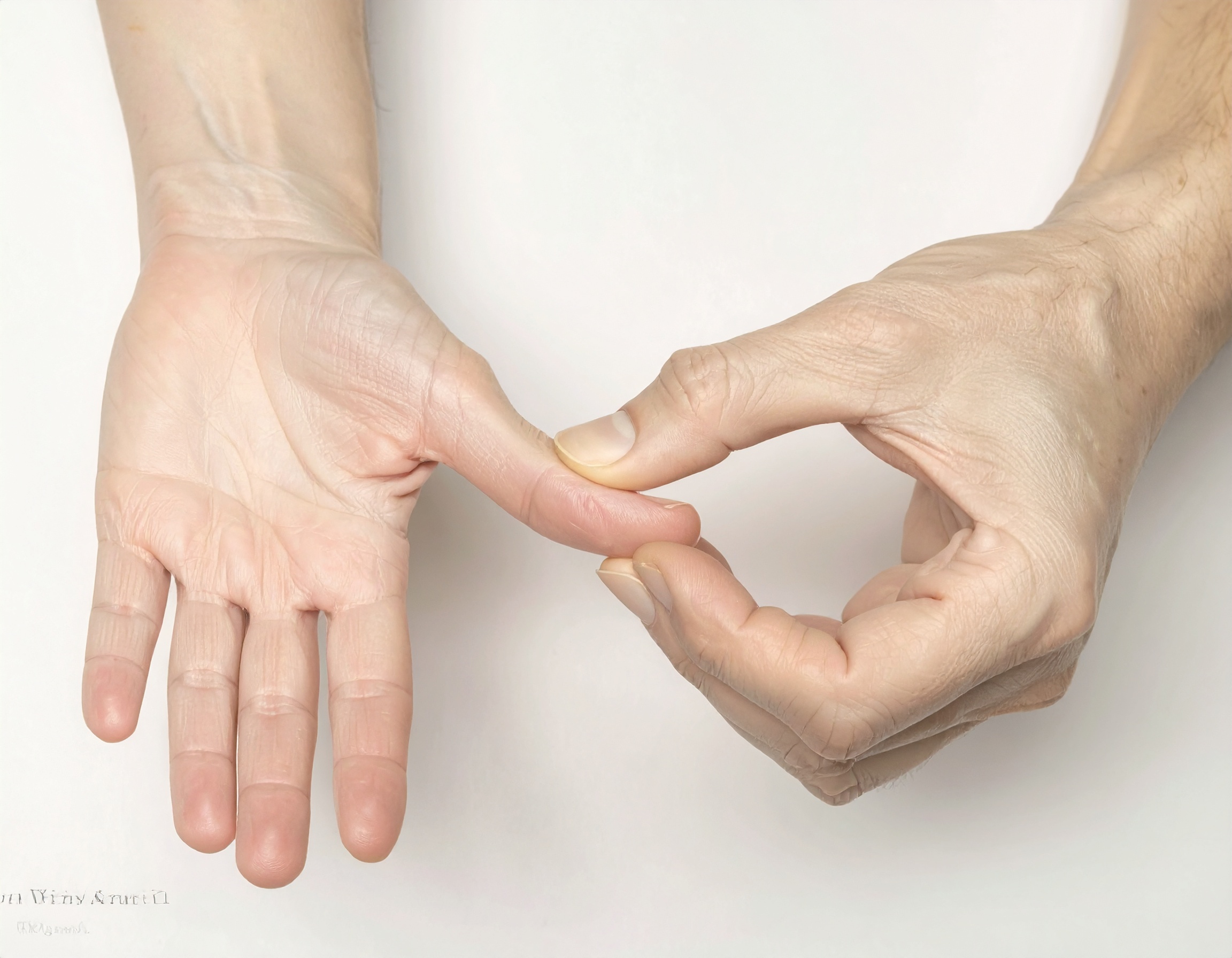
Incorporate breaks and recovery times
Another fundamental aspect is time management:
Professionals such as company doctors, ergonomists and physiotherapists can help with these adjustments if necessary.
Acting in prevention: a collective challenge
Preventing joint deterioration doesn’t just concern individuals.
Companies, employees and healthcare professionals have a joint role to play. Informing others and adapting workstations help limit the risk of developing or exacerbating conditions like basal joint arthritis.
Find more tips in our article ‘Adapting how you perform your work in the event of basal joint arthritis’, which also addresses the question of staying in work despite the pain.


