
Reliable diagnosis of rhizarthrosis is based on a combination of listening to the symptoms, clinical examination and medical imaging.
Accurate diagnosis allows us to understand where the pain at the base of the thumb is coming from and helps with choosing appropriate treatment, from the early stages of the condition.
So diagnosis is a really important part of gaining an understanding of your rhizarthrosis, from the very first signs to progression. .

When should I think about asking for a diagnosis?
Some thumb pain may be temporary and purely caused by an incorrect movement or straining the joint. But when discomfort becomes recurrent or interferes with your day-to-day hand movements, tasks and activities (opening a jar, turning a key or carrying objects), or when you notice a loss of strength or slight deformation, it’s important to see a doctor.
You should keep a close eye out for the following early signs:
The above may indicate incipient rhizarthrosis, even if the pain remains moderate. The earlier the diagnosis, the more likely it is that conservative treatment measures will be effective. Simple measures can be incorporated from the outset, to limit progression of the condition.
Clinical examination – the essential starting point
The first phase of diagnosis is based on careful clinical examination by a GP, rheumatologist or hand surgeon.
The consultation focuses on identifying:
The physical examination then assesses:
A specific test known as the grind test is often used. It involves rotating the joint with pressure to reproduce the pain typical of rhizarthrosis.
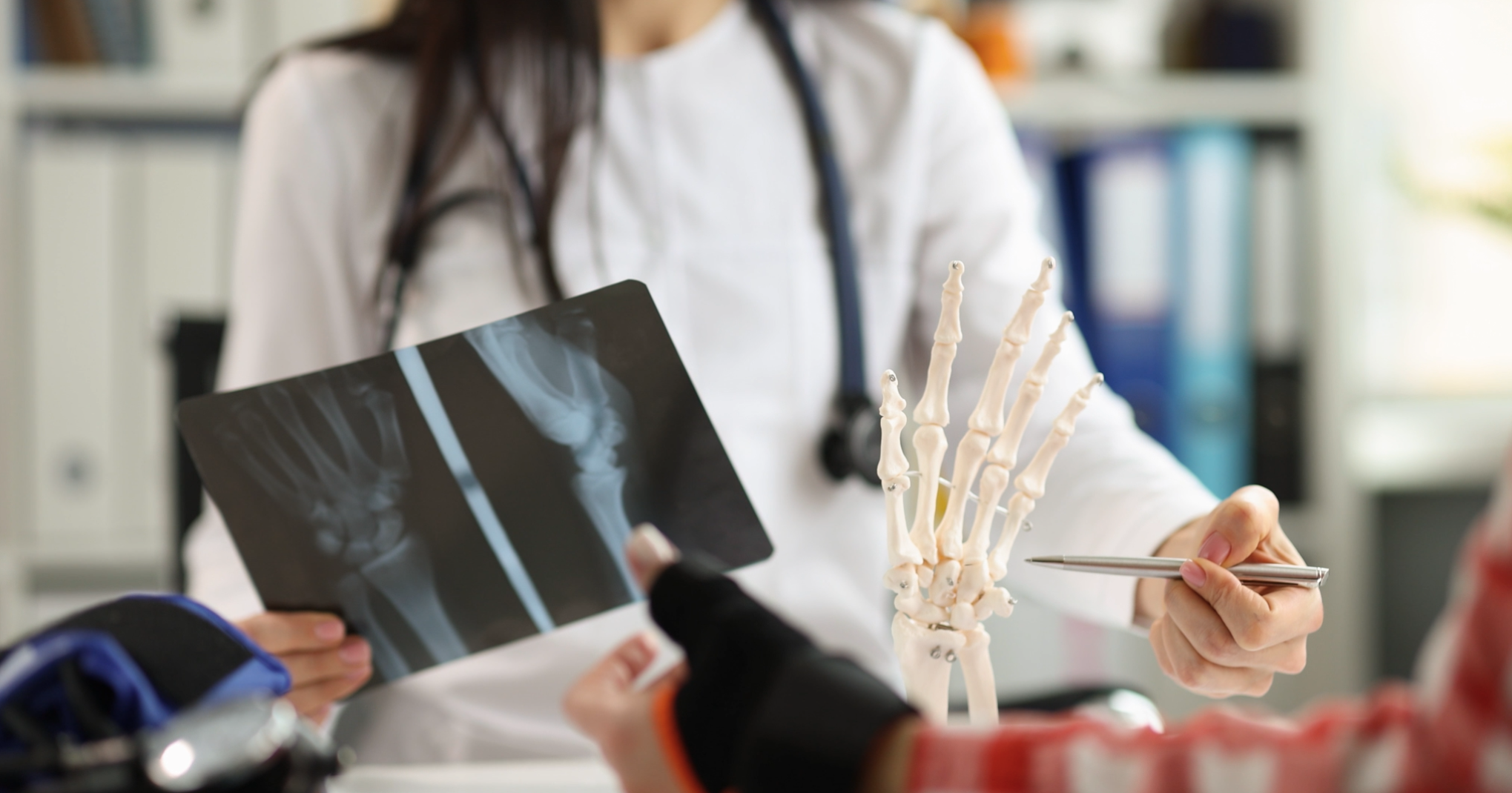
The role of medical imaging tests
A standard thumb X-ray is the main test used to confirm rhizarthrosis. It allows doctors to view:
Dell radiographic classification is used by doctors and healthcare professionals to describe how advanced your rhizarthrosis is on radiology images, from stage I (early stage) to stage IV (advanced stage with deformation). This system is useful for identifying appropriate treatments for each stage, in particular surgical procedures.

