
Basal joint arthritis, or thumb arthritis, is often seen as an age-related disease.
It mainly affects women aged 50 and over.
However, this condition can also arise earlier, sometimes as early as the thirties, in active adults.
Its early appearance may come as a surprise, but it is not rare. A better understanding of the causes and warning signs means you can react in good time and adapt your daily routine before the discomfort sets in for good.
To fully understand what this condition is, it is useful to go back to the basics about basal joint arthritis and what happens.
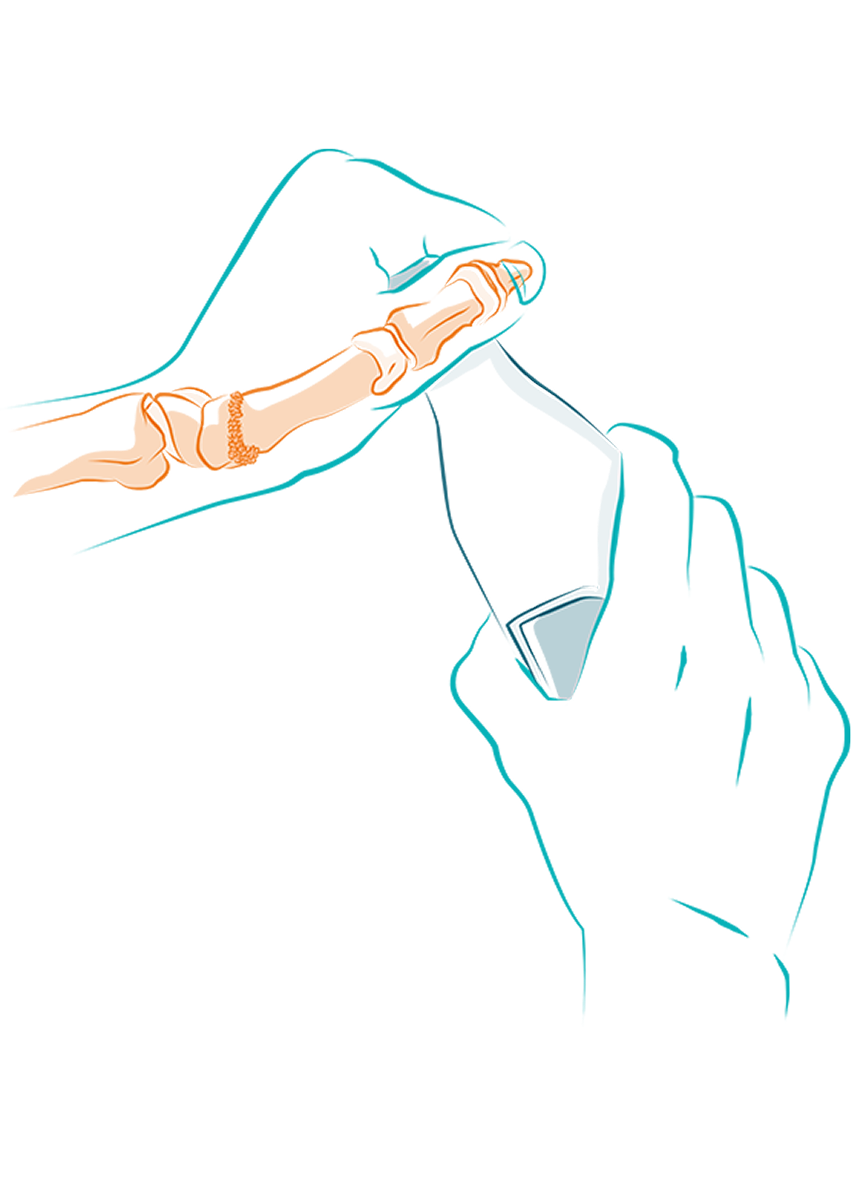
Why can basal joint arthritis appear at a young age?
In young adults, several factors can favour the appearance of this form of arthritis, sometimes before the age of 40:
These factors are detailed on the ‘Risk factors for basal joint arthritis’ page.
What are the warning signs?
In a young person, the first symptoms may be played down or mistaken for simple joint fatigue.
However, there are certain signs that should prompt you to seek medical advice:
These symptoms are similar to those observed later in life. When they occur early, they require appropriate treatment.
You can find a full presentation of the first symptoms of basal joint arthritis.

When discomfort takes hold in an active life
Basal joint arthritis in young adults can have a significant impact, particularly if the dominant hand is affected.
It can have an impact on:
This discrepancy between the patient’s age and the nature of the condition can also be a source of incomprehension and frustration.
This is why early diagnosis and appropriate support are important.
Remember:
Being young does not rule out being affected by basal joint arthritis.
Although it is more common after the age of 50, it does occur in active adults.
Knowing how to recognise the early signs and benefit from appropriate treatment means you can act early… and prevent the situation from getting worse.


